


Introduction
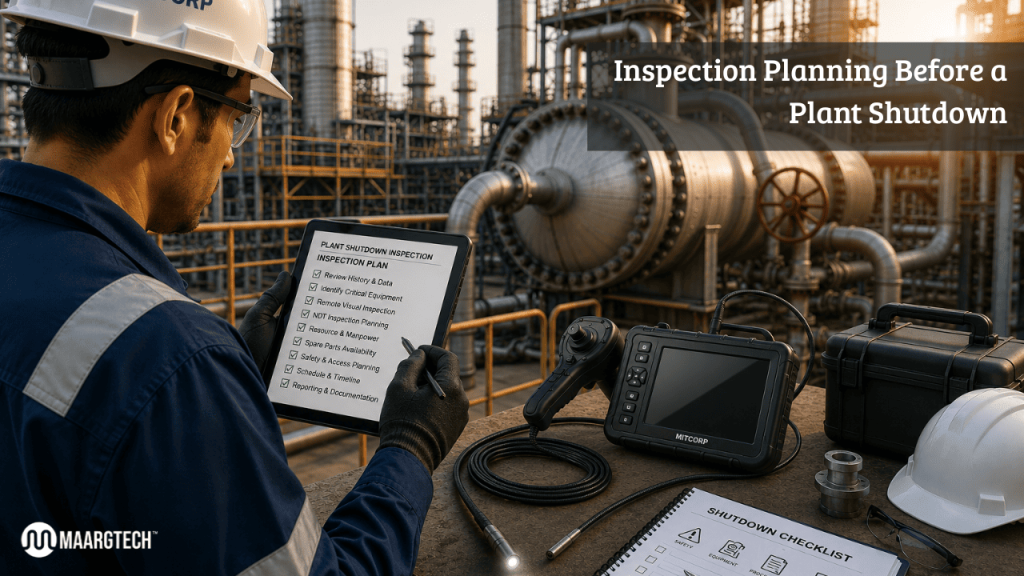
A planned plant shutdown is one of the most critical maintenance events in any industrial facility. Whether in oil & gas, power generation, petrochemicals, manufacturing, or process industries, shutdowns provide a valuable opportunity to inspect, repair, and optimize critical assets. However, without proper preparation, shutdowns can quickly become expensive, time-consuming, and disruptive to operations. This is where inspection planning before a plant shutdown becomes essential. A structured inspection strategy helps maintenance teams identify potential issues early, prioritize critical assets, arrange necessary resources, and execute maintenance activities efficiently. By planning inspections in advance, organizations can reduce downtime, improve safety, and ensure a smoother plant restart.Why Inspection Planning Before a Plant Shutdown Matters
Many shutdown delays occur because equipment problems are discovered only after maintenance activities begin. Unexpected corrosion, cracks, erosion, or component failures can lead to additional repairs, extended downtime, and increased costs. Effective inspection planning provides a clear understanding of asset condition before the shutdown starts. It allows maintenance teams to make informed decisions, allocate resources efficiently, and avoid last-minute surprises.Common Challenges During Poorly Planned Shutdowns
- Unexpected equipment failures
- Delays in maintenance schedules
- Increased labor and repair costs
- Spare parts shortages
- Safety risks for inspection personnel
- Extended plant downtime
Review Historical Inspection and Maintenance Records
The first step in successful shutdown planning is understanding the current health of plant assets. Historical inspection reports and maintenance records provide valuable insights into recurring issues, degradation trends, and equipment reliability. Maintenance teams should review previous inspection findings to identify equipment that may require additional attention during the upcoming shutdown.Key Records to Analyze
- Previous shutdown reports
- Maintenance history records
- Corrosion monitoring data
- Equipment failure reports
- NDT inspection records
- Regulatory compliance documentation
Identify Critical Assets and Inspection Priorities
Not every piece of equipment requires the same level of inspection. Prioritizing critical assets helps maximize inspection efficiency and ensures maintenance resources are focused where they are needed most.
Risk-based inspection planning considers factors such as equipment age, operating conditions, production impact, and failure consequences.
High-Priority Equipment for Shutdown Inspections
- Pressure vessels
- Heat exchangers
- Reactors
- Boilers
- Storage tanks
- Process pipelines
- Industrial valves
- Turbines and rotating equipment
Inspecting these critical assets helps reduce the likelihood of unexpected failures after plant restart.
Conduct Pre-Shutdown Remote Visual Inspections
One of the most effective ways to reduce shutdown duration is by performing inspections before equipment is dismantled. Advanced Remote Visual Inspection (RVI) technologies allow inspectors to evaluate internal components without extensive disassembly.
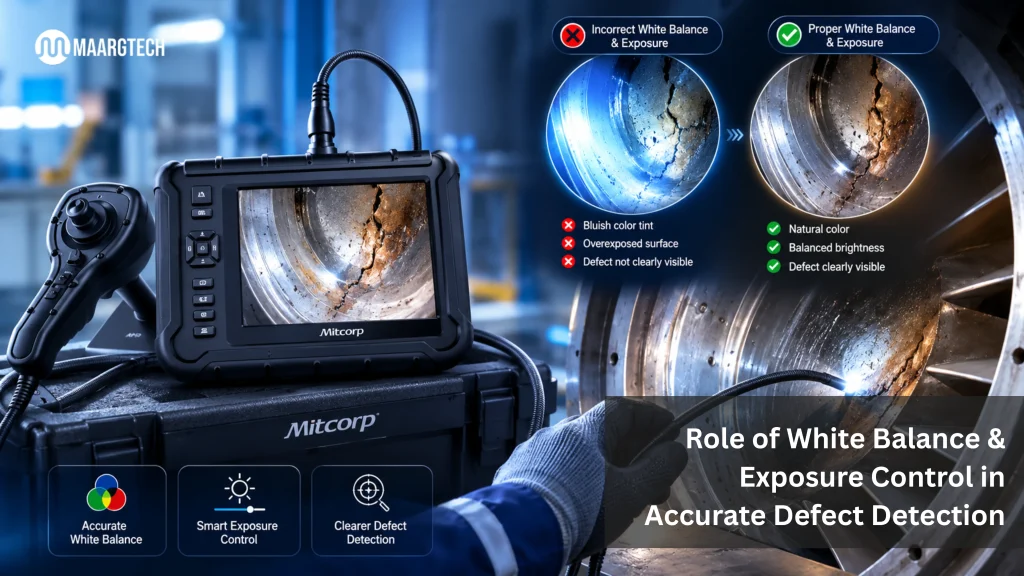
Modern industrial videoscopes and video borescopes provide high-resolution images and video recordings from areas that are difficult or unsafe to access manually. This enables maintenance teams to identify defects, assess equipment condition, and prepare repair plans before the shutdown begins.
Applications of Remote Visual Inspection
- Internal valve inspections
- Heat exchanger tube inspections
- Reactor vessel examinations
- Turbine inspections
- Weld condition assessments
- Pipeline integrity evaluations
Early defect identification helps maintenance teams arrange spare parts, manpower, and repair procedures in advance, reducing delays during the shutdown.
Select the Right Inspection Techniques
Different equipment requires different inspection methods. Selecting the appropriate inspection technique ensures accurate results and supports effective maintenance planning.
While visual inspections can identify many surface defects, advanced Non-Destructive Testing (NDT) methods are often necessary to detect hidden flaws and evaluate material integrity.
Common Inspection Methods Used During Shutdowns
| Inspection Method | Primary Application |
|---|---|
| Visual Inspection (VT) | Surface defects, corrosion, wear |
| Remote Visual Inspection (RVI) | Internal equipment inspections |
| Ultrasonic Testing (UT) | Thickness measurement and flaw detection |
| Eddy Current Testing (ECT) | Heat exchanger tube inspections |
| Magnetic Particle Testing (MT) | Surface crack detection |
| Dye Penetrant Testing (PT) | Fine surface flaw identification |
Using the right combination of inspection techniques provides a complete understanding of equipment condition.
Ensure Inspection Readiness Before Shutdown
Even the best inspection plans can fail if equipment access, safety requirements, and inspection resources are not properly prepared. Inspection readiness should be verified well before the shutdown schedule begins.
Maintenance teams should ensure all required inspection equipment is calibrated, operational, and readily available.
Pre-Shutdown Inspection Checklist
- Verify equipment isolation procedures
- Arrange scaffolding and access platforms
- Review confined space entry requirements
- Confirm inspection equipment calibration
- Prepare inspection documentation templates
- Ensure spare parts availability
- Allocate qualified inspection personnel
- Review safety and emergency procedures
Proper preparation minimizes delays and improves inspection productivity.
Improve Decision-Making Through Accurate Inspection Reporting
Inspection findings are only valuable when they are documented clearly and communicated effectively. Modern inspection systems allow teams to capture high-resolution images, videos, measurements, and digital reports that provide detailed evidence of asset condition.
Comprehensive reporting helps maintenance managers prioritize repairs, assess risks, and make informed decisions during the shutdown process. It also supports regulatory compliance and long-term asset integrity management programs.
Effective Inspection Reports Should Include
- Asset condition assessments
- Defect images and videos
- Measurement data
- Risk evaluations
- Repair recommendations
- Maintenance priorities
Accurate reporting ensures all stakeholders have the information needed to make timely maintenance decisions.
Benefits of Advanced Inspection Technologies During Shutdowns
Industrial facilities are increasingly adopting advanced inspection technologies to improve shutdown efficiency and asset reliability. Remote Visual Inspection systems and modern NDT solutions reduce the need for unnecessary disassembly while improving inspection accuracy.
These technologies help maintenance teams complete inspections faster, improve worker safety, and reduce operational disruptions.
Key Benefits
- Reduced equipment disassembly
- Faster inspection execution
- Improved defect detection accuracy
- Enhanced worker safety
- Better documentation and traceability
- Lower maintenance costs
- Shorter shutdown durations
- Improved plant reliability
By leveraging advanced inspection tools, facilities can maximize the value of every planned shutdown.
Conclusion
Successful shutdowns begin long before production stops. Effective inspection planning before a plant shutdown allows organizations to identify equipment issues early, prioritize maintenance activities, and allocate resources more efficiently.
By combining historical asset data, risk-based inspection strategies, Remote Visual Inspection (RVI), and advanced NDT techniques, industrial facilities can reduce downtime, improve safety, and enhance equipment reliability. A proactive inspection approach not only supports a smoother shutdown but also contributes to long-term operational performance and asset integrity.
Optimize Shutdown Performance with Advanced Inspection Solutions
Discover how MAARGTECH’s RVI and NDT technologies help maintenance teams identify issues early and execute successful shutdowns.
📞 +91-97572 76307 | 📧 sales@maargtech.com
Frequently Asked Questions (FAQ'S )
Why is inspection planning important before a plant shutdown?
Inspection planning helps identify equipment issues before maintenance activities begin, reducing downtime, improving safety, and preventing unexpected repair delays.
Which equipment should be prioritized during shutdown inspections?
Critical assets such as pressure vessels, heat exchangers, reactors, valves, pipelines, boilers, and turbines should receive priority during shutdown inspections.
How does Remote Visual Inspection help during plant shutdowns?
Remote Visual Inspection allows inspectors to examine internal equipment conditions without extensive disassembly, saving time, reducing costs, and improving inspection efficiency.
What NDT methods are commonly used during plant shutdowns?
Common methods include Ultrasonic Testing (UT), Eddy Current Testing (ECT), Magnetic Particle Testing (MT), Dye Penetrant Testing (PT), and Visual Inspection (VT).
How can MAARGTECH support shutdown inspection activities?
MAARGTECH provides advanced Videoscopes, Borescopes, Remote Visual Inspection systems, and NDT solutions that help industries conduct accurate, efficient, and safe inspections during shutdowns and turnarounds.