
Introduction
Industrial inspection plays a critical role in maintaining the safety, reliability, and efficiency of equipment across industries such as manufacturing, oil & gas, aviation, and power generation. Regular inspection ensures that potential defects are identified early, preventing costly failures and ensuring a safe working environment.
Understanding Industrial Inspection Importance in Modern Industry
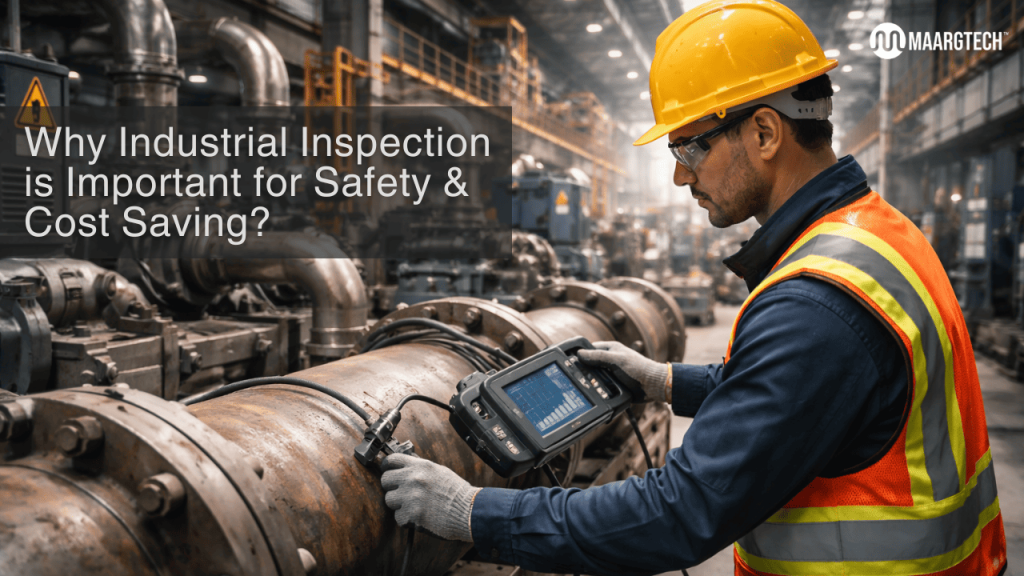
Industrial inspection importance lies in its ability to identify hidden defects in critical components like pipelines, turbines, heat exchangers, welds, and castings without stopping production. Using high-tech videoscopes and borescopes, small issues are caught early — preventing them from turning into major failures.
Industrial inspection importance cannot be overstated. It serves as the foundation for safe, reliable, and efficient operations across manufacturing, power, oil & gas, and automotive sectors.
How Industrial Inspection Importance Enhances Workplace Safety
One of the biggest reasons behind industrial inspection importance is its direct impact on worker safety and accident prevention.
It helps detect cracks, corrosion, and wear before they lead to leaks, explosions, or structural collapses. It reduces the need for personnel to enter dangerous confined spaces, minimizing human risk. Consistent checks ensure compliance with strict safety regulations (ASME, API, ISO), helping companies avoid heavy penalties and legal complications. It also fosters a proactive safety culture where potential hazards are addressed in advance.
Many MAARGTECH clients have seen a sharp decline in safety incidents after implementing regular inspection programs using our advanced videoscopes.
How Industrial Inspection Importance Drives Significant Cost Savings
Another major aspect of industrial inspection importance is its powerful role in reducing operational expenses and increasing profitability.
It translates into real financial benefits through preventing expensive unplanned downtime that can cost lakhs of rupees per hour, extending the life of valuable machinery and reducing premature replacements, allowing timely minor repairs instead of costly full-scale replacements, lowering insurance premiums and compensation claims due to fewer accidents, and enabling a shift from reactive to predictive maintenance strategies.
A leading petrochemical client saved over ₹18 lakhs in one year by detecting tube leaks early — successfully avoiding a complete production shutdown.
Why Modern Tools Are Essential to Realize Industrial Inspection Importance
Traditional inspection methods often fall short in speed, safety, and accuracy. This is where advanced RVI tools highlight the true value of proactive checks.
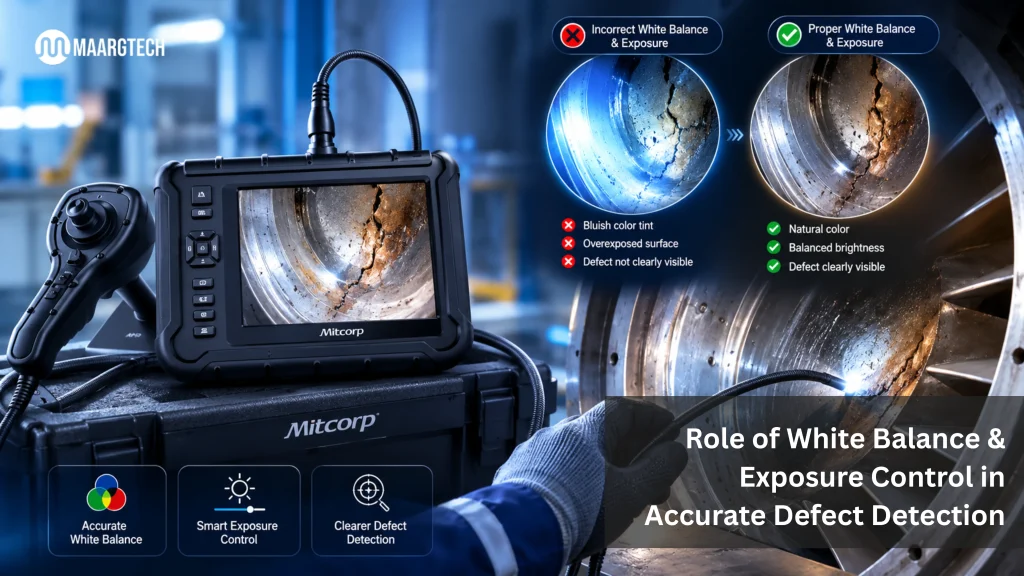
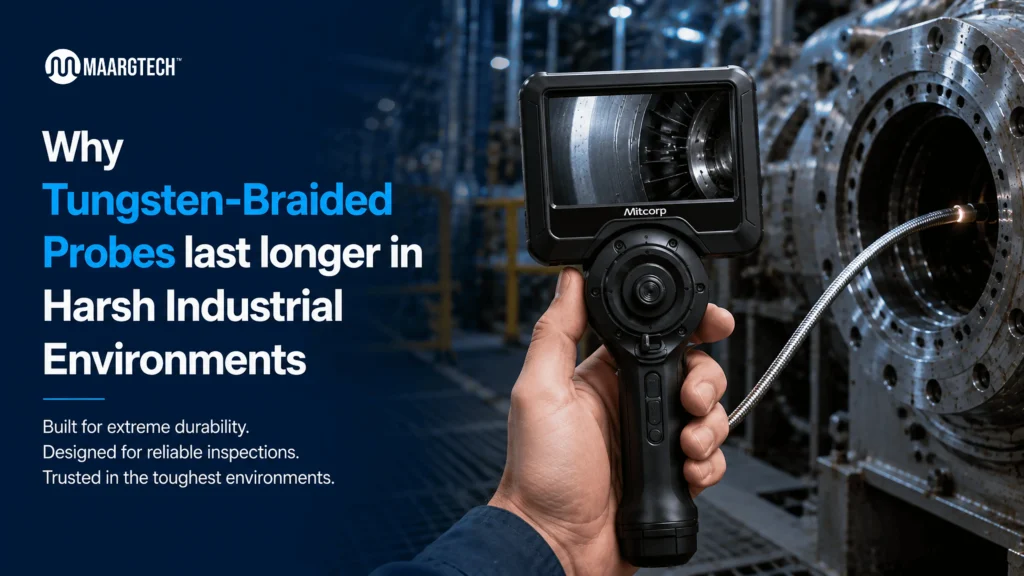
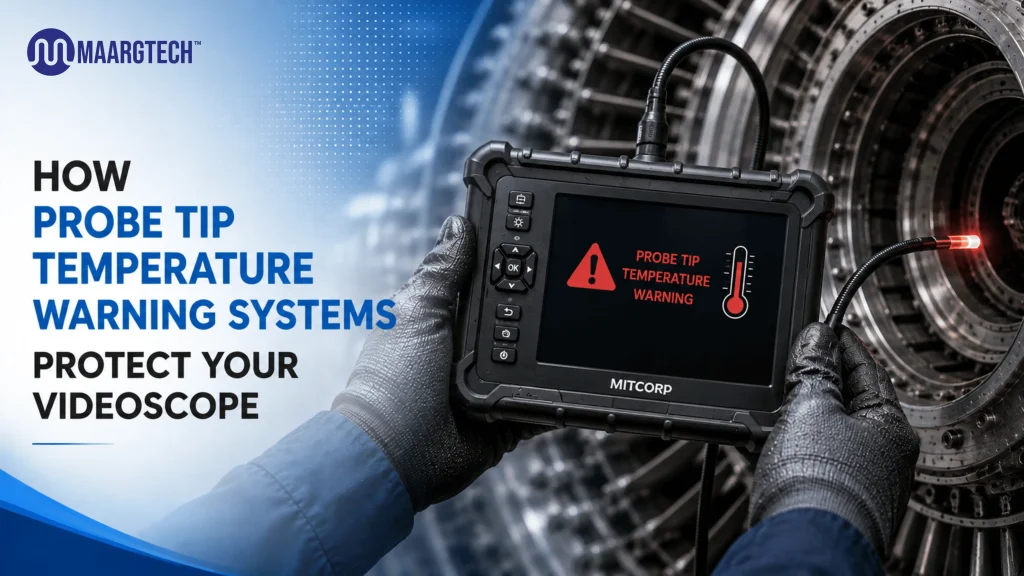
MAARGTECH’S MITCORP HD videoscopes (X2000, X3000, X750 series) make inspections faster, safer, and more accurate with features like high-resolution HD imaging, 3D measurement, and rugged design suitable for harsh Indian industrial conditions.
Whether inspecting engine internals, automotive castings, pipelines, or heat exchangers, these tools help industries achieve better results without long shutdowns or safety risks.
Conclusion
Companies that truly understand and act on industrial inspection importance enjoy fewer accidents, lower maintenance costs, higher equipment reliability, better regulatory compliance, and stronger overall performance.
If you want to protect your people, optimize your budget, and run smoother operations, it’s time to invest in the right solutions.
Ready to experience the benefits for your facility?
Explore MAARGTECH’S range of advanced videoscopes, borescopes, and pipe inspection cameras — designed to deliver reliable results in Indian industrial environments.
Frequently Asked Questions (FAQ'S )
What is the main purpose of industrial inspection?
The main purpose of industrial inspection is to identify defects, ensure equipment reliability, and maintain safety standards without disrupting operations.
How often should industrial inspections be conducted?
The frequency depends on the industry, equipment usage, and regulatory requirements. However, regular inspections (monthly, quarterly, or annually) are recommended to ensure safety and efficiency.
What industries require industrial inspection the most?
Industries like oil & gas, manufacturing, power plants, aerospace, and construction heavily rely on industrial inspection to prevent failures and maintain safety.
How does industrial inspection help in reducing costs?
Industrial inspection detects issues early, preventing costly breakdowns, reducing downtime, and minimizing repair and replacement expenses.
What are the common methods used in industrial inspection?
Common methods include Non-Destructive Testing (NDT), ultrasonic testing, radiographic testing, and videoborescope inspection, all of which help detect defects without damaging equipment.