
Introduction
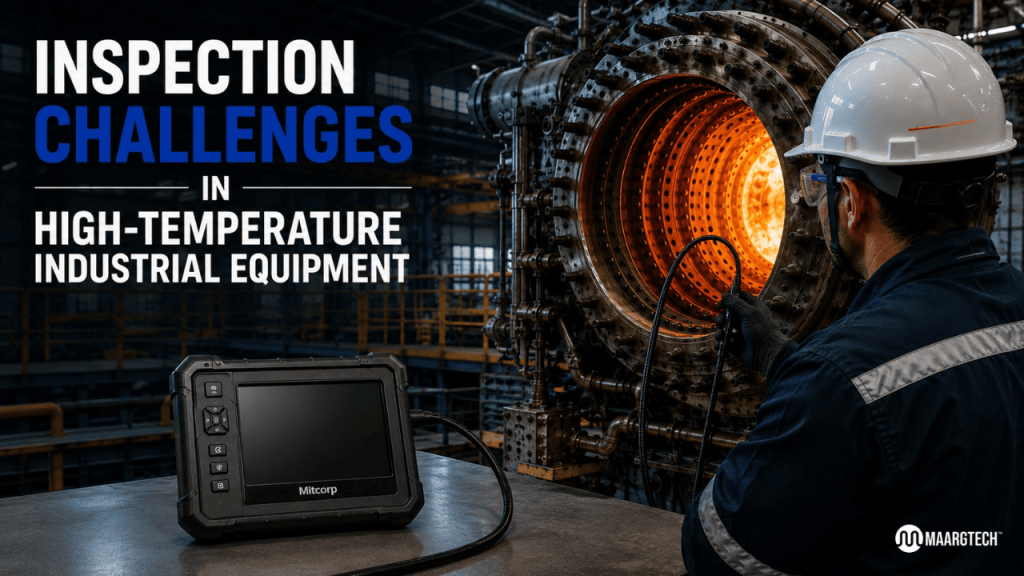
High-temperature industrial equipment forms the backbone of critical sectors like power generation, petrochemical processing, oil & gas, aerospace, and manufacturing. Boilers, heat exchangers, turbines, furnaces, and piping systems routinely operate under extreme conditions—often exceeding 500°C. While essential for productivity, these environments create significant inspection hurdles that can lead to undetected degradation, costly downtime, safety risks, and unplanned outages.
At MAARGTECH, we specialize in advanced Remote Visual Inspection (RVI) and Non-Destructive Testing (NDT) solutions that make high temperature inspection more effective and reliable. This post explores the key inspection difficulties and practical ways to address them using modern tools.
Why High Temperature Inspection is So Challenging
- Extreme Heat and Thermal Stress: Components expand, contract, and experience material fatigue under repeated thermal cycling. This leads to issues like creep, cracking, warping, and embrittlement. Traditional inspection methods often require full shutdowns and lengthy cooldown periods. Even after cooling, residual heat can damage standard tools, making high temperature inspection particularly difficult.
- Limited Accessibility and Confined Spaces: Narrow tubes in heat exchangers and boilers, intricate turbine blades, and long piping runs are difficult to reach manually. Scaffolding, disassembly, or confined space entry adds time, cost, and safety hazards. These challenges become even greater in extreme operating conditions.
- Corrosion, Fouling, and Material Degradation: High temperatures accelerate oxidation, scaling, erosion, and corrosion—especially when combined with aggressive chemicals. Deposits hide underlying defects like pitting, cracks, or wall thinning. Proper and timely detection is essential to prevent equipment failure.
- Safety and Regulatory Compliance Risks: Inspectors face risks from heat exposure, toxic gases, pressure, and radiation. Regulations demand thorough, documented inspections, but manual methods often fall short in consistency. This makes safe and compliant inspection a major priority.
- Downtime and Economic Impact: Shutting down a power plant or refinery for inspection can cost thousands (or millions) per day. Traditional approaches extend outage durations, while incomplete inspections risk missing critical defects.
How Remote Visual Inspection (RVI) Transforms High Temperature Inspection
Modern RVI technology has revolutionized high temperature inspection in industrial settings. High-definition videoborescopes, such as those from Mitcorp (available through Maargtech), allow inspectors to:
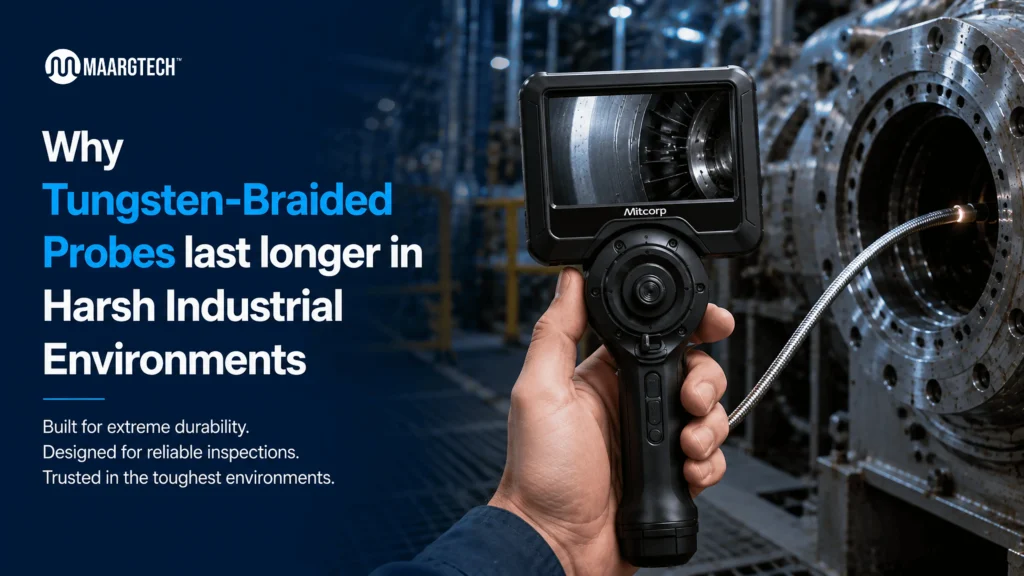
- Access Hard-to-Reach Areas: Flexible probes (as small as a few millimeters) navigate tubes, bends, and internal components without major disassembly.
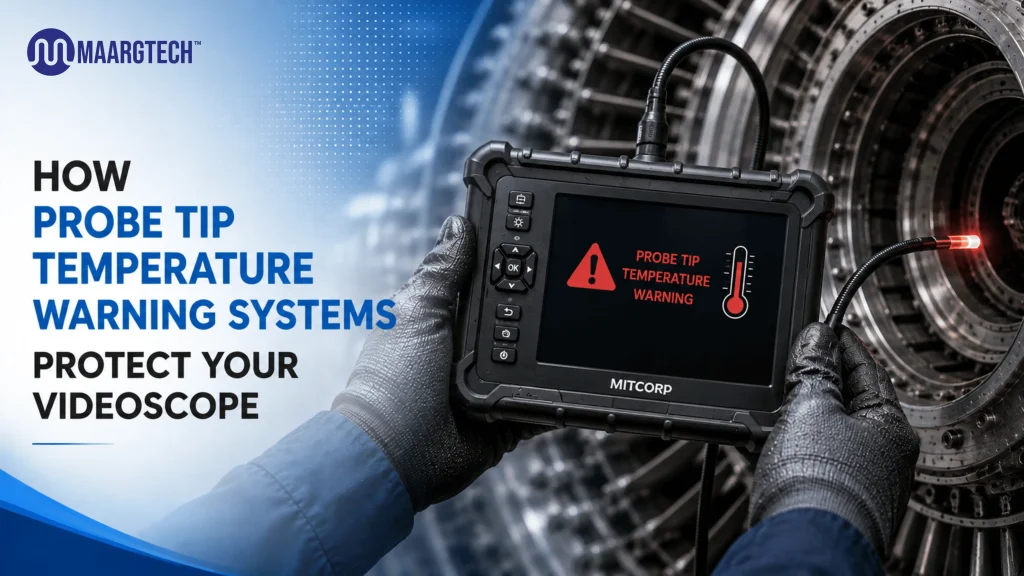
- Operate in Challenging Conditions: Many systems feature heat-resistant designs, powerful LED lighting, high-resolution imaging, articulation, and 3D measurement capabilities for precise defect sizing.
- Minimize Downtime: Inspections can often be performed during partial outages or while equipment is still warm, drastically reducing cooldown and startup times.
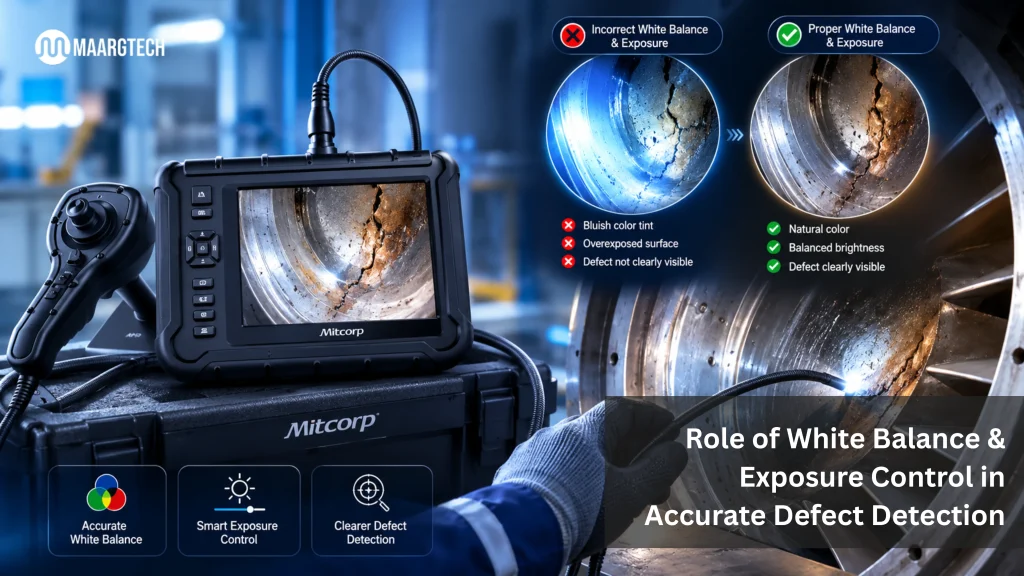
- Enhance Documentation and Analysis: Capture high-quality video, images, and measurements for trending, reporting, and AI-assisted defect recognition.
- Improve Safety: Keep personnel out of confined, hot, or hazardous spaces.
Industries such as power plants use RVI for boiler and heat exchanger tube inspections, while petrochemical facilities rely on it for piping and vessel internals
Best Practices for Effective High Temperature Inspection
- Combine Techniques: Use RVI alongside complementary NDT methods (e.g., ultrasonic thickness gauging or eddy current) for comprehensive insights.
- Schedule Strategically: Implement risk-based inspection intervals rather than purely time-based ones.
- Invest in the Right Tools: Choose durable, versatile videoborescopes with features designed specifically for demanding high temperature inspection applications.
- Train and Partner Wisely: Work with experienced providers who offer strong after-sales support and training.
- Leverage Data: Track inspection results over time to predict maintenance needs and optimize asset life.
Partner with MAARGTECH for Reliable High Temperature Inspection
At Maargtech, we understand these challenges firsthand. As authorized representatives of Mitcorp videoborescopes and other premium NDT tools, we provide advanced yet affordable RVI systems tailored to Indian and international industries—including power, petrochemical, automotive, aerospace, nuclear, and casting.
Our solutions emphasize quality, reliability, and genuine customer support. We’ve helped numerous clients achieve safer, more efficient operations with minimal disruption. Whether you need a compact videoscope for tight spaces or a high-end system with 3D measurement, our team is here to support your high temperature inspection needs.
Improve Your High Temperature Inspection Process Today
Reduce downtime and detect defects early with advanced industrial videoscope solutions. Contact MAARGTECH to learn more.
Frequently Asked Questions (FAQ'S )
What are the biggest challenges in high temperature inspection of industrial equipment?
High temperature inspection is difficult due to extreme heat causing material issues like creep, cracking, and oxidation, limited accessibility in boilers and heat exchangers, safety risks for inspectors, and high downtime costs. Traditional methods require long cooldown periods, making the process time-consuming and expensive.
How can Remote Visual Inspection (RVI) help overcome high temperature inspection challenges?
RVI tools like Mitcorp videoborescopes allow inspectors to examine internal components without major disassembly or long cooling times. They provide high-resolution images, flexible probes for tight spaces, and 3D measurement capabilities, making high temperature inspection safer, faster, and more accurate while reducing overall downtime.
Why is high temperature inspection critical for boilers and heat exchangers?
High temperatures accelerate corrosion, fouling, and hidden defects in boilers and heat exchangers. Regular high temperature inspection helps detect issues like wall thinning, pitting, and cracking early, preventing unexpected failures, improving efficiency, and ensuring regulatory compliance.
How does high temperature inspection help reduce downtime and costs?
By using advanced RVI solutions, inspections can be performed during partial outages or while equipment is still warm. This significantly shortens shutdown periods compared to traditional methods, minimizing production losses and lowering overall maintenance costs in power plants, refineries, and petrochemical facilities.
Which tools are best for high temperature inspection in Indian industries?
Mitcorp videoborescopes, available through MAARGTECH, are highly recommended for high temperature inspection. These durable, high-resolution systems are designed for harsh industrial environments and come with strong technical support, making them ideal for power, petrochemical, aerospace, and manufactoring sectors in India.