
Introduction
Internal equipment inspections play a vital role in ensuring the safety, efficiency, and longevity of industrial assets. In sectors like power generation, aerospace, automotive manufacturing, casting, and process industries, even minor internal defects can escalate into major operational disruptions. However, one persistent challenge remains: inspection blind spots — those hard-to-reach or poorly illuminated areas inside complex machinery where critical issues often go unnoticed.
This comprehensive guide outlines proven strategies to effectively eliminate inspection blind spots, helping maintenance teams achieve more thorough and reliable internal inspections. By adopting modern techniques and tools, organizations can significantly reduce risks and optimize their maintenance programs.
What Are Inspection Blind Spots and Why Do They Matter?
Inspection blind spots refer to sections within equipment — such as turbines, heat exchangers, pipelines, boilers, engines, or pressure vessels — that traditional inspection methods cannot adequately cover. Factors contributing to these gaps include narrow geometries, multiple bends, limited access ports, insufficient lighting, and the physical limitations of manual visual checks.
When left unaddressed, inspection blind spots can hide early signs of corrosion, cracking, erosion, foreign object debris, or mechanical wear. Over time, this leads to unexpected failures, costly downtime, safety hazards, and regulatory non-compliance. Regular and complete internal inspections are therefore essential for proactive asset management.
Proven Strategies to Eliminate Inspection Blind Spots
1. Leverage Advanced Videoscopes and RVI Technology
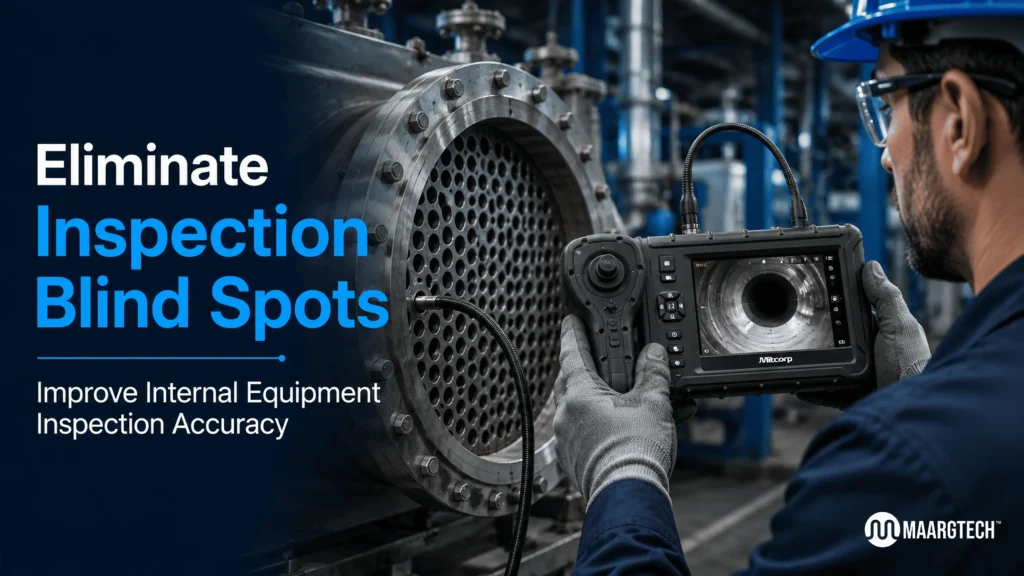
The most effective way to overcome visibility challenges is by using high-performance video borescopes and Remote Visual Inspection (RVI) systems. These tools feature flexible insertion probes, powerful LED lighting, and high-definition cameras that deliver crystal-clear images from deep within equipment.
Key features to prioritize:
- Full 360-degree tip articulation for navigating tight spaces
- Interchangeable probes in various diameters and lengths
- Advanced imaging with zoom, freeze-frame, and measurement capabilities
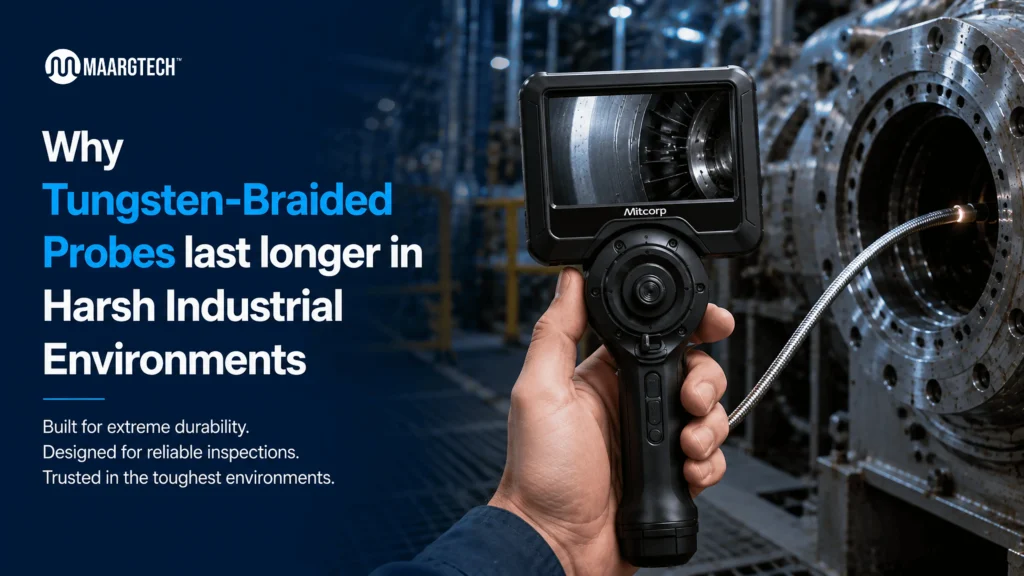
- Durable designs built for harsh industrial environments
Such systems allow inspectors to examine previously inaccessible areas without time-consuming disassembly, making them indispensable for modern maintenance teams.
2. Plan Thorough Inspection Access and Procedures
Preparation is key. Review equipment manuals and engineering drawings to identify optimal entry points. In some cases, working with design teams to incorporate dedicated inspection ports during manufacturing or retrofitting can dramatically reduce inspection blind spots.
Develop standardized inspection checklists and procedures that ensure every critical component is systematically covered. Using digital mapping or 3D models of internal structures can further guide the process.
3. Enhance Lighting, Imaging, and Data Capture
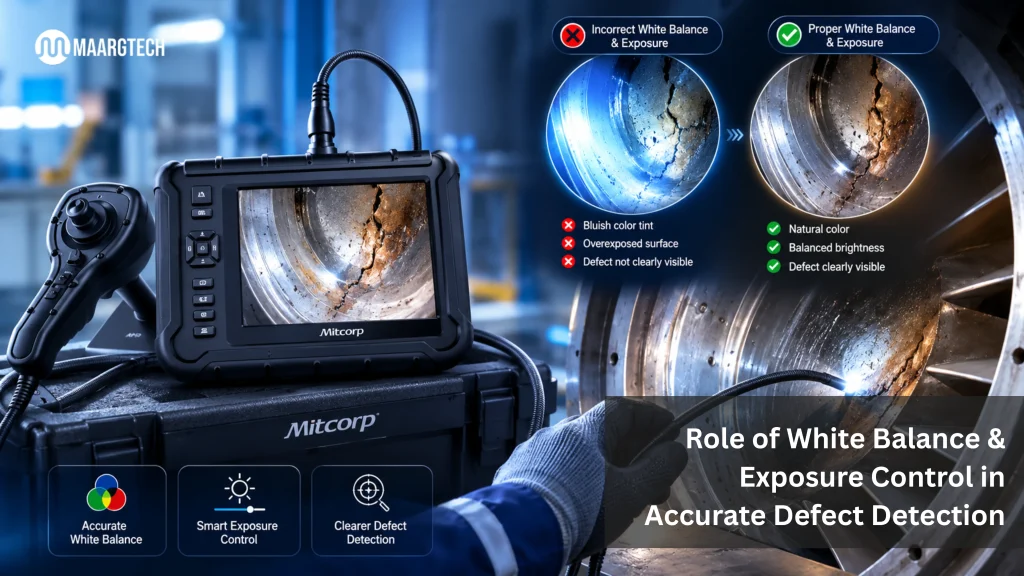
Poor visibility is a primary cause of missed defects. Invest in inspection cameras equipped with adjustable, high-intensity lighting and image enhancement technologies. Features like contrast adjustment, edge detection, and video recording enable detailed analysis and easy sharing with remote experts.
4. Invest in Team Training and Continuous Improvement
Even the best tools require skilled operators. Provide regular training on probe maneuvering, image interpretation, and safety protocols. Encourage a culture of continuous learning where inspectors share best practices for tackling challenging geometries.
Additionally, schedule inspections during planned maintenance windows to allow adequate time for comprehensive coverage rather than rushed checks.
5. Adopt a Multi-Layered Inspection Approach
While visual inspection forms the core, integrating complementary NDT methods (where suitable) adds depth. However, for direct internal visualization of complex assemblies, reliable videoscopes provide the most practical and immediate solution for eliminating inspection blind spots.
Real-World Impact: Reducing Risks Across Industries
In practice, companies using advanced RVI solutions report fewer unplanned outages and improved equipment reliability. For example, in power plants, thorough turbine inspections help detect blade damage early. In automotive and casting industries, internal checks on engine blocks and molds ensure quality standards are met without production delays.
At MAARGTECH, we understand these challenges firsthand. As a leading provider of industrial videoborescopes and RVI solutions in India, we offer Mitcorp systems tailored to diverse industry needs. Our tools combine affordability, reliability, and cutting-edge performance to support efficient internal equipment inspections.
Key Benefits of Eliminating Inspection Blind Spots
- Increased Safety: Early identification of hidden defects protects personnel and assets.
- Operational Efficiency: Minimize downtime and extend maintenance intervals.
- Cost Reduction: Avoid expensive repairs and emergency interventions.
- Regulatory Compliance: Maintain detailed visual records for audits and certifications.
- Better Decision Making: High-quality images support data-driven maintenance strategies.
By systematically addressing inspection blind spots, organizations can transition from reactive repairs to predictive, condition-based maintenance.
Conclusion
Eliminating inspection blind spots during internal equipment inspection is achievable with the right approach, planning, and technology. Modern videoscopes not only enhance visibility but also streamline workflows and deliver actionable insights.
If you’re looking to strengthen your inspection capabilities, MAARGTECH is here to help. Explore our range of professional video borescope inspection cameras designed for real-world industrial demands.
Eliminate Inspection Blind Spots with MAARGTECH
Discover advanced MITCORP industrial videoscopes for accurate internal equipment inspections, improved reliability, and reduced downtime—contact MAARGTECH today.
📞 +91-97572 76307 | 📧 sales@maargtech.com
Frequently Asked Questions (FAQ'S )
What exactly are inspection blind spots in internal equipment inspection?
Inspection blind spots are areas inside machinery like turbines, pipelines, heat exchangers, or engines that are difficult to see using traditional methods due to limited access, tight spaces, poor lighting, or complex geometries. These hidden zones can conceal critical defects such as cracks, corrosion, or wear, potentially leading to equipment failure if not properly inspected.
How can I effectively eliminate inspection blind spots during routine checks?
You can eliminate inspection blind spots by using advanced video borescopes and Remote Visual Inspection (RVI) tools with flexible probes, 360-degree articulation, and high-definition imaging. Additional steps include proper planning of access points, team training, standardized checklists, and scheduling sufficient time for thorough inspections.
What tools are best for reducing or eliminating inspection blind spots?
The most effective tools are industrial videoborescopes (also called inspection cameras) featuring bright LED lighting, high-resolution cameras, and interchangeable probes. MAARGTECH’s Mitcorp videoscopes are specifically designed for industrial use, offering excellent maneuverability and image quality for complete internal visibility without disassembly.
Why is it important to address inspection blind spots in industries like power, aerospace, or manufacturing?
Addressing inspection blind spots helps prevent unexpected breakdowns, reduces costly downtime, improves safety, and ensures compliance with industry standards. Early detection of hidden defects extends equipment life and supports a shift from reactive to predictive maintenance strategies.
How can MAARGTECH help with internal equipment inspections and blind spots?
MAARGTECH provides reliable, high-performance video borescope inspection systems and RVI solutions tailored for various industries. Our tools help teams achieve full coverage of internal components.