
Introduction
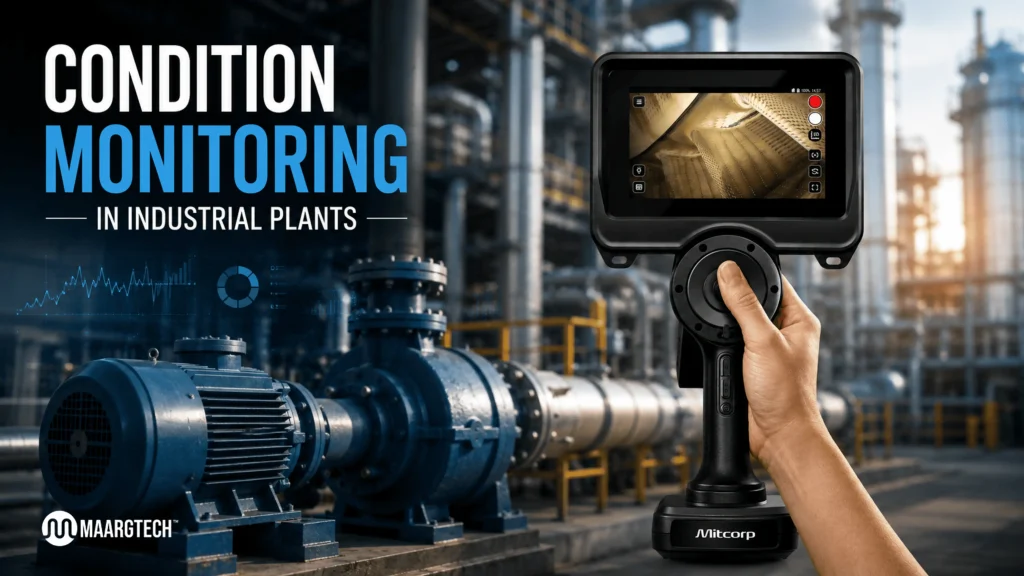
In the fast-paced world of modern manufacturing and heavy industry, Condition Monitoring in Industrial Plants has become essential. Unplanned equipment failures can cost plants millions in downtime, lost production, and emergency repairs. By continuously or periodically tracking asset conditions, industrial facilities can shift maintenance from reactive to proactive — and ultimately predictive — approaches.
At MAARGTECH, we help industrial facilities across India and beyond implement robust Condition Monitoring programs through advanced Remote Visual Inspection (RVI), videoborescopes, and complementary NDT tools. This comprehensive guide explores everything you need to know about this practice — its principles, techniques, benefits, implementation, real-world applications, and how our solutions make it practical and cost-effective.
Understanding the Basics
Condition Monitoring in Industrial Plants refers to the systematic process of tracking the operational health of machinery and equipment using various sensors, data analytics, and inspection technologies. Rather than relying on time-based preventive schedules or waiting for breakdowns (run-to-failure), this approach evaluates the actual condition of assets in real time or at regular intervals.
The core philosophy is straightforward: machines communicate through parameters like vibration, temperature, noise, oil quality, and visual integrity. By interpreting these signals, maintenance teams can detect early signs of wear, misalignment, corrosion, cracking, or imbalance long before they lead to failure.
This strategy forms the foundation of Condition-Based Maintenance (CBM) and Predictive Maintenance (PdM). It brings together data from multiple sources — IoT sensors, thermal imaging, ultrasonic testing, oil analysis, and visual inspections — to create a complete picture of asset health.
Why This Approach Matters in Today’s Industrial Environment
Industrial plants face constant pressure: demanding production targets, aging infrastructure, shortages of skilled technicians, and increasing energy costs. Adopting effective monitoring practices has moved from optional to essential for several key reasons:
- Significant Reduction in Unplanned Downtime Well-implemented programs can cut unplanned downtime by 35-45% or higher. For instance, one pulp and paper plant avoided losing thousands of tons of production and saved nearly $1.8 million by identifying a bearing issue early through combined vibration and visual checks.
- Major Cost Savings Predictive strategies often deliver up to 10x ROI. They reduce overall maintenance costs by 25-30%, optimize spare parts inventory, and extend the useful life of expensive assets.
- Enhanced Safety and Regulatory Compliance Early detection of issues in high-risk environments such as boilers, turbines, pressure vessels, and chemical processing units helps prevent accidents and meet stringent safety standards.
- Improved Overall Equipment Effectiveness (OEE) Higher machinery availability, better performance rates, and consistent quality output directly boost productivity.
- Sustainability Advantages Fewer breakdowns translate to reduced material waste, lower energy consumption, and a smaller environmental footprint.
- Strong Competitive Edge Facilities that master these monitoring techniques respond faster to market changes and maintain steadier output.
Key Techniques Used for Effective Monitoring
A successful program relies on multiple complementary technologies. Here’s a detailed look at the most widely used methods:
Vibration Analysis
Vibration monitoring is one of the most established techniques. It identifies imbalances, shaft misalignment, bearing wear, looseness, and resonance problems. Portable analyzers or permanently mounted sensors collect data that is trended over time using specialized software. Advanced systems can even diagnose specific fault types and recommend corrective actions.
Thermography (Infrared Imaging)
Non-contact infrared cameras detect abnormal heat signatures caused by friction, overloaded electrical circuits, insulation failures, or fluid blockages. This method is particularly valuable for inspecting motors, electrical panels, rotating equipment, and refractory linings in furnaces.
Oil and Lubricant Analysis
Regular sampling and laboratory testing reveal wear particles, contamination, oxidation, and changes in viscosity. This provides crucial insights into the internal condition of gearboxes, engines, compressors, and hydraulic systems without requiring disassembly.
Ultrasonic Testing and Acoustic Emission
Ultrasonic detectors pick up high-frequency sounds from leaks, partial electrical discharges, and early-stage cracks. Acoustic monitoring systems listen for subtle changes in normal operating sounds, making them excellent for detecting developing faults in valves, steam traps, and bearings.
Remote Visual Inspection (RVI)
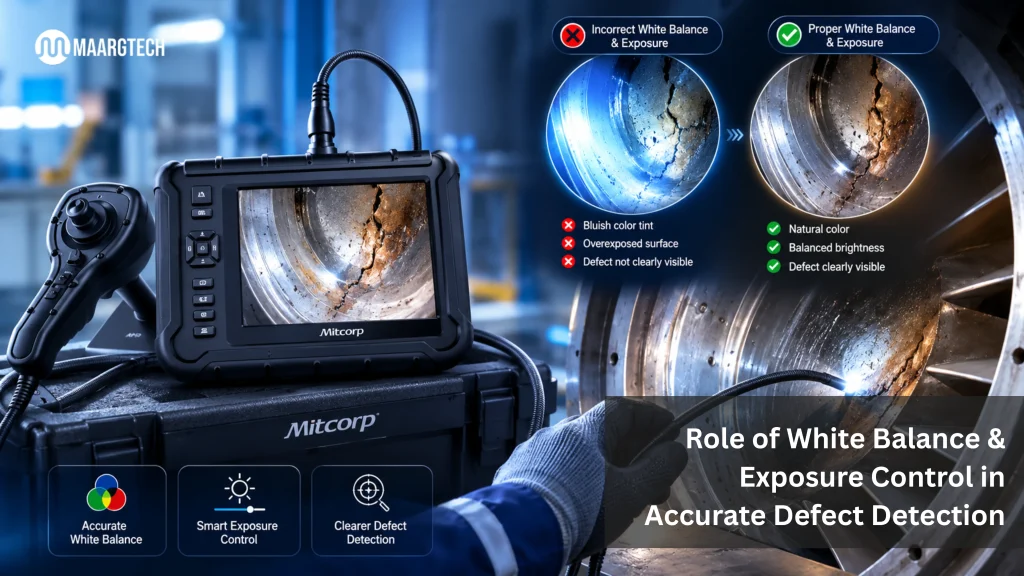
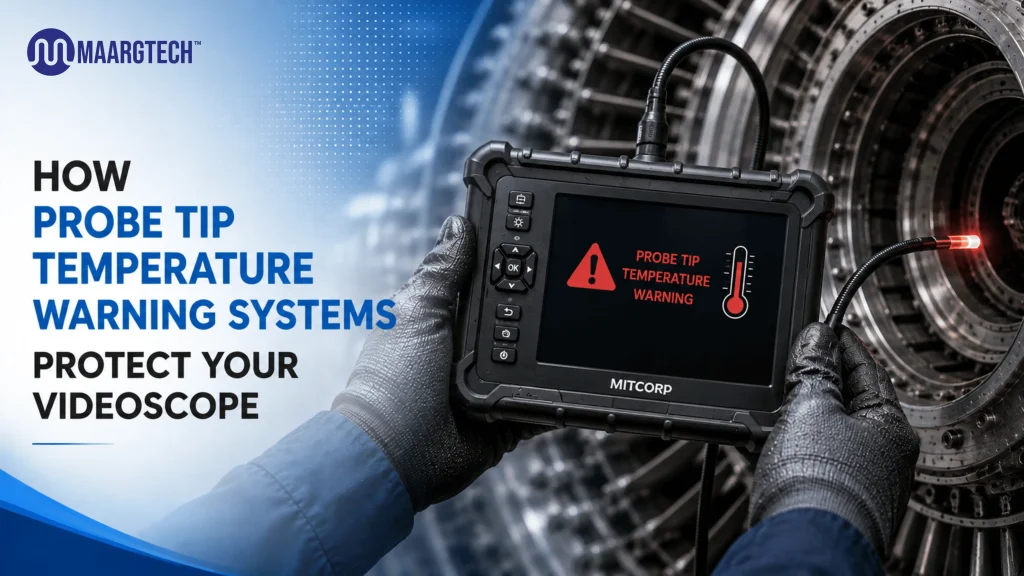
One of the most practical and powerful tools is RVI using videoborescopes. These devices allow inspectors to view internal components of turbines, boilers, heat exchangers, pipes, engines, compressors, and castings without major disassembly. High-resolution images and videos document findings for trending and reporting.
Motor Current Signature Analysis (MCSA)
For electric motors and variable frequency drives, MCSA analyzes current waveforms to detect rotor bar breaks, stator faults, air-gap eccentricity, and power quality issues.
Pressure, Flow, and Process Parameter Tracking
Monitoring deviations in operational parameters adds valuable context to other data streams.
Modern implementations increasingly integrate these technologies into unified platforms enhanced by artificial intelligence and machine learning. These systems improve anomaly detection and help predict Remaining Useful Life (RUL) of components.
The Important Role of Remote Visual Inspection
Visual evidence remains irreplaceable in many scenarios. MAARGTECH’s videoborescopes deliver the clarity and flexibility needed for detailed internal assessments:
- Mitcorp X2000 HD and X3000 Series: These offer HD resolution, full 360° articulation, dual-camera options, and 3D measurement capabilities. They excel at inspecting turbine blades, compressor internals, boiler tubes, and heat exchanger bundles.
- Superior Image Quality: Crystal-clear visuals help identify corrosion, erosion, cracking, pitting, coating degradation, and foreign object debris.
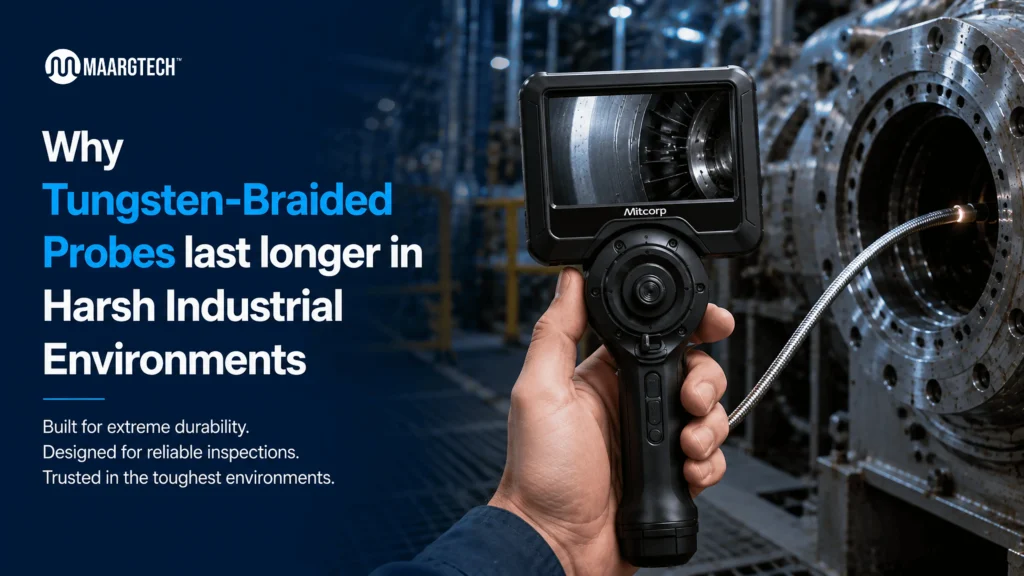
- Rugged, Portable Design: Built for harsh plant environments with long battery life and durable construction.
- IPEK Pipe and Sewer Inspection Systems: Ideal for large-diameter pipelines, drains, and infrastructure assessment.
By enabling frequent, safe, and non-invasive inspections — even in confined or hazardous spaces — RVI significantly strengthens overall monitoring programs.
Step-by-Step Implementation Guide
Rolling out a successful program requires careful planning:
- Asset Criticality Ranking Start by identifying high-value, high-risk, or bottleneck equipment such as turbines, large compressors, critical pumps, and gearboxes.
- Baseline Data Collection Record normal operating signatures for vibration, temperature, and other parameters under healthy conditions.
- Technology Selection and Integration Choose appropriate tools based on specific needs and budget. MAARGTECH assists with selecting and integrating videoborescopes and NDT instruments.
- Data Management Feed information into a Computerized Maintenance Management System (CMMS) or dedicated monitoring platform for centralized visibility.
- Team Training and Skill Development Provide hands-on training for technicians on equipment operation, data interpretation, and reporting.
- Setting Thresholds and Alerts Define warning and critical alarm levels tailored to each asset.
- Regular Review and Program Expansion Analyze results, refine predictive models, and gradually extend coverage to more equipment.
- Ongoing Support Partner with experienced suppliers who offer not just products but also application expertise and technical assistance.
Real-World Applications and Case Studies
Many industries have achieved impressive results:
- Power Generation: Early detection of rotor issues and blade damage through vibration analysis combined with internal visual inspections prevented major outages.
- Pulp and Paper: Wireless sensors and monitoring systems identified bearing degradation in advance, enabling planned maintenance during scheduled shutdowns and delivering substantial savings.
- Oil & Gas and Petrochemical: Regular RVI and ultrasonic testing monitor corrosion and integrity in pipes, vessels, and heat exchangers, reducing the need for costly shutdowns.
- Automotive Manufacturing: Videoborescope inspections of engines, castings, and assemblies speed up quality control and reduce rework rates.
- Cement and Steel Plants: Thermography and vibration programs help maintain kilns, rollers, and heavy gearboxes under extreme operating conditions.
These examples demonstrate measurable improvements in reliability and cost control across sectors.
Common Challenges and Solutions
While highly beneficial, implementing these programs comes with hurdles:
- Initial Investment — Begin with pilot projects on critical assets to prove value before scaling.
- Data Overload — AI-powered platforms filter noise and highlight only actionable insights.
- Skill Shortages — Invest in structured training programs and leverage supplier expertise.
- Integration Complexity — Select compatible tools and work with partners who understand plant workflows.
Future Trends Shaping the Field
The evolution continues with exciting developments:
- Artificial intelligence and machine learning for more accurate fault prediction.
- Digital twins that create virtual replicas of physical assets for simulation and optimization.
- Widespread deployment of IoT wireless sensors for comprehensive plant coverage.
- Augmented Reality (AR) tools that overlay inspection data and guidance in real time.
- Greater linkage between monitoring data and sustainability goals, such as energy efficiency tracking.
How MAARGTECH Supports Industrial Monitoring Programs
MAARGTECH serves as a reliable partner for advanced RVI and NDT solutions across India. Our range includes high-performance Mitcorp videoborescopes, IPEK pipeline inspection cameras, coating thickness gauges, noise detectors, and more. These tools provide the visual intelligence that complements sensor-based data in comprehensive programs.
We support clients in automotive, power, petrochemical, aerospace, and general manufacturing with quality products, prompt service, and practical application knowledge.
Conclusion
Effective monitoring transforms maintenance from a cost center into a strategic advantage. By combining multiple technologies — especially powerful visual inspection tools — industrial plants can achieve higher reliability, improved safety, and better profitability.
Ready to Improve Equipment Reliability and Reduce Downtime?
Contact MAARGTECH today for advanced condition monitoring and industrial inspection solutions tailored to your plant’s needs.
Frequently Asked Questions (FAQ'S )
What is Condition Monitoring in Industrial Plants?
Condition Monitoring in Industrial Plants is the process of regularly tracking the health of machinery using sensors, data analysis, and inspection tools to detect problems early before they cause breakdowns.
What are the main benefits of Condition Monitoring in Industrial Plants?
It reduces unplanned downtime by 35-45%, lowers maintenance costs by 25-30%, improves safety, increases equipment life, and boosts overall productivity.
What are the most common techniques used in Condition Monitoring?
The most common techniques include vibration analysis, thermography, oil analysis, ultrasonic testing, and Remote Visual Inspection (RVI) using videoborescopes.
How does Remote Visual Inspection (RVI) help in Condition Monitoring?
RVI allows inspectors to see inside turbines, boilers, heat exchangers, and pipes without disassembly. MAARGTECH’s videoborescopes provide clear images to detect corrosion, cracks, and wear.
How to implement Condition Monitoring in an industrial plant?
Start with critical equipment, collect baseline data, choose suitable tools, train your team, and integrate data into your maintenance system. Partnering with experts like MAARGTECH makes the process easier.