Introduction
Petrochemical plants face some of the toughest operating conditions in the industrial world. Extreme temperatures, highly corrosive chemicals, high-pressure systems, and vast networks of pipelines and vessels make regular inspections essential — yet extremely challenging. Traditional inspection methods often require full plant shutdowns, scaffolding, confined space entry, and significant manpower, leading to high costs, long downtimes, and safety risks.
This is why remote inspection tools for petrochemical applications are rapidly becoming a game-changer for operators across India and the world.
What Are Remote Visual Inspection for Petrochemical?
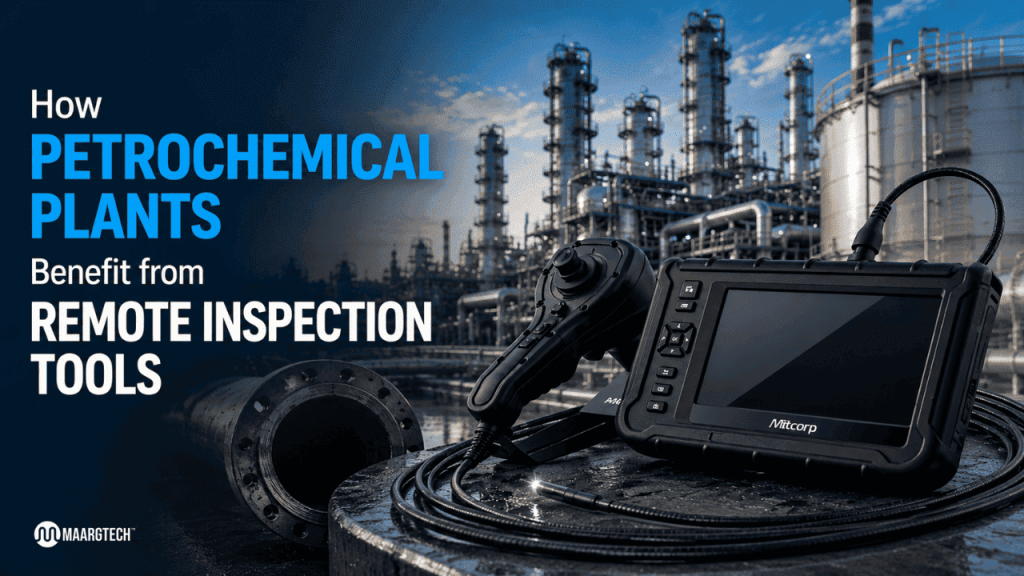
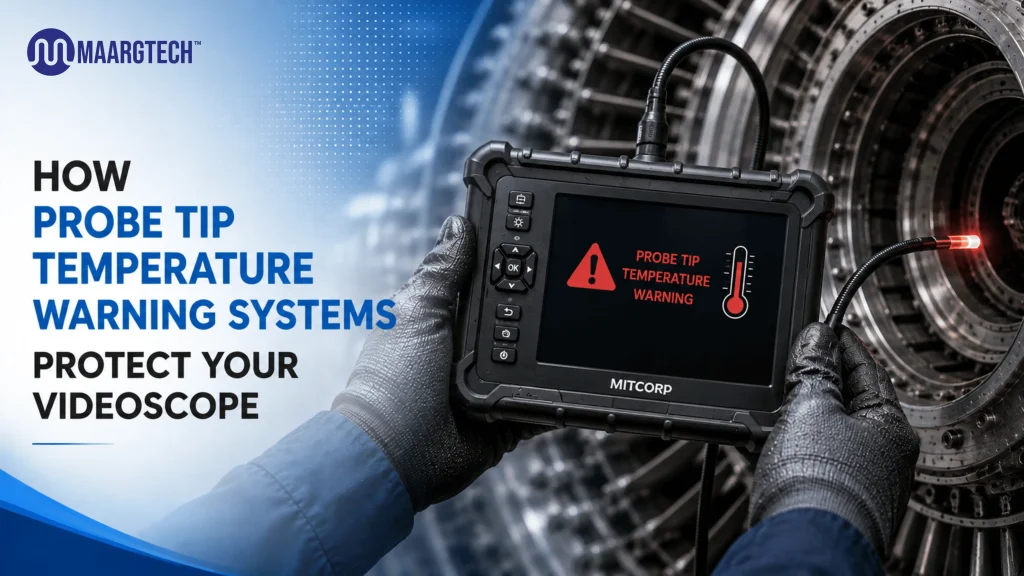
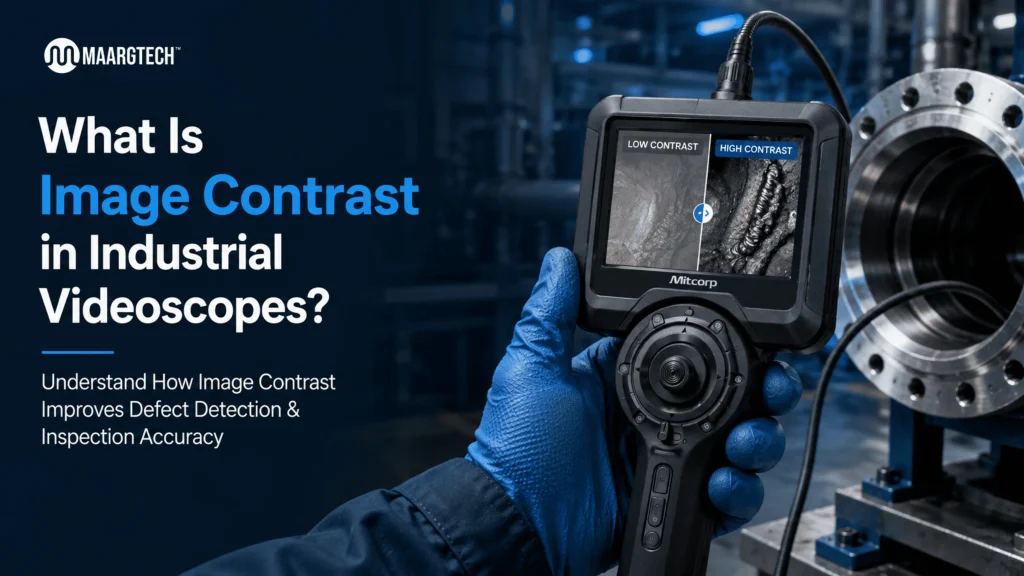
Remote inspection tools, also known as Remote Visual Inspection (RVI) systems, include advanced videoborescopes, flexible insertion probes, robotic crawlers, and high-definition camera systems. These tools allow inspectors to examine the internal condition of critical assets without disassembly or human entry.
At MAARGTECH, we offer robust solutions like the Mitcorp X2000 HD and X3000 HD videoborescopes, specially built for harsh petrochemical environments. These tools provide crystal-clear HD imaging, precise articulation, measurement features, and chemical-resistant probes.
Major Challenges in Petrochemical Plants
Petrochemical facilities deal with:
- Internal corrosion and erosion in pipelines and heat exchangers
- Build-up of deposits and blockages
- Weld defects and material degradation
- High risk of leaks or equipment failure
Unplanned downtime in the petrochemical industry can cost anywhere from $260,000 to over $1 million per day per incident. Remote inspection tools for petrochemical help plants shift from reactive to proactive maintenance, significantly reducing these risks.
Key Benefits of Remote Visual Inspection for Petrochemical
1. Dramatically Improved Safety: Petrochemical environments often involve flammable gases, toxic substances, and confined spaces. Remote tools eliminate or minimize the need for personnel to enter hazardous areas, reducing the risk of accidents and helping plants meet strict safety regulations.
2. Significant Reduction in Downtime: Traditional inspections can take days or weeks. With remote inspection tools for petrochemical, assessments can often be completed in just hours through small access points. Faster inspections mean quicker restarts and higher plant availability.
3. Substantial Cost Savings:
- Reduced need for scaffolding and shutdown labor
- Lower insurance premiums due to improved safety
- Extended equipment lifespan through early defect detection
- Minimized production losses from downtime
4. Higher Inspection Accuracy and Better Documentation: Modern videoborescopes deliver high-resolution images, video recording, 3D measurements, and real-time defect analysis. This creates reliable audit trails for regulatory compliance and predictive maintenance programs.
5. Enhanced Asset Integrity & Reliability: Frequent, non-intrusive inspections help monitor critical assets such as reformers, crackers, distillation columns, storage tanks, and pressure vessels. Early detection of issues prevents catastrophic failures and supports longer run lengths between turnarounds.
6. Environmental & Sustainability Benefits: Shorter shutdowns result in lower flaring and emissions. Remote inspection also reduces the movement of large inspection teams, supporting greener operations.
Common Applications of Remote Inspection Tools in Petrochemical Plants
- Pipeline & Tubing Inspection: Detecting corrosion, pitting, and deposits in small-diameter tubes and long pipelines.
- Heat Exchanger & Boiler Tube Inspection: Checking tube walls and bundle integrity without full disassembly.
- Pressure Vessel & Tank Inspection: Internal surface and weld assessment with minimal entry.
- Rotating Equipment: Internal inspection of compressors, turbines, and pumps.
- Post-Incident & Turnaround Support: Rapid evaluation after process upsets.
- Storage Tank & Sphere Assessment: Checking for lining degradation and structural issues.
Traditional vs Remote Inspection: A Clear Comparison
| Aspect | Traditional Inspection | Remote Inspection Tools for Petrochemical |
|---|---|---|
| Safety Risk | High (confined space entry) | Very Low |
| Downtime Required | Long | Minimal |
| Cost | Very High | Significantly Lower |
| Inspection Frequency | Limited | More frequent & consistent |
| Data Quality | Basic | HD imaging + measurement + records |
Future Trends in Remote Inspection for Petrochemical
The industry is moving towards smarter solutions — combining videoborescopes with drones, robotic crawlers, AI-powered defect detection, and real-time remote collaboration platforms. These advancements will further enhance efficiency and decision-making in the coming years.
Why Partner with MAARGTECH?
As a trusted provider of NDT and Remote Visual Inspection solutions in India, MAARGTECH delivers not just high-quality equipment but complete support — including product selection, operator training, and prompt after-sales service.
Our remote inspection tools for petrochemical are chosen by plants that demand durability, performance, and value. Whether you operate a refinery, cracker unit, or downstream facility, we have the right solution to match your needs.
Conclusion
In today’s competitive and highly regulated environment, adopting remote inspection tools for petrochemical is no longer a luxury — it is a strategic necessity. These tools deliver safer operations, reduced costs, higher reliability, and better compliance — all critical for long-term success.
Transform Petrochemical Maintenance with Advanced Remote Inspection
Reduce downtime, improve safety, and detect equipment issues early with MAARGTECH’S remote visual inspection solutions.
📞 +91-97572 76307 | 📧 sales@maargtech.com
Frequently Asked Questions (FAQ'S )
What are remote inspection tools for petrochemical plants?
Remote inspection tools, also known as Remote Visual Inspection (RVI) systems, are advanced videoborescopes and camera systems that allow inspectors to examine the internal condition of pipelines, heat exchangers, pressure vessels, and other critical equipment without disassembly or confined space entry. Tools like Mitcorp X2000 HD and X3000 HD offered by MAARGTECH are specially designed for harsh petrochemical environments.
How do remote inspection tools reduce downtime in petrochemical plants?
Traditional inspections often require full plant shutdowns lasting days or weeks. Remote inspection tools for petrochemical can be inserted through small access points, enabling quick assessments in just a few hours. This significantly reduces downtime, production losses, and helps plants achieve longer run times between turnarounds.
What are the main benefits of using remote inspection tools for petrochemical?
The key benefits include enhanced safety by reducing confined space entry, substantial cost savings on labor and scaffolding, improved asset integrity through early defect detection, better documentation for compliance, and overall higher plant reliability and efficiency.
Which equipment in petrochemical plants can be inspected using remote tools?
Remote inspection tools are ideal for inspecting pipelines, heat exchanger tubes, pressure vessels, storage tanks, reactors, distillation columns, compressors, turbines, and boilers. They can detect corrosion, erosion, weld defects, blockages, and lining degradation effectively.
Why should petrochemical plants choose MAARGTECH for remote inspection tools?
MAARGTECH provides high-quality, durable remote inspection tools tailored for the petrochemical industry, along with expert consultation, operator training, and strong after-sales support. Our solutions help plants achieve safer, faster, and more cost-effective inspections.