
Introduction
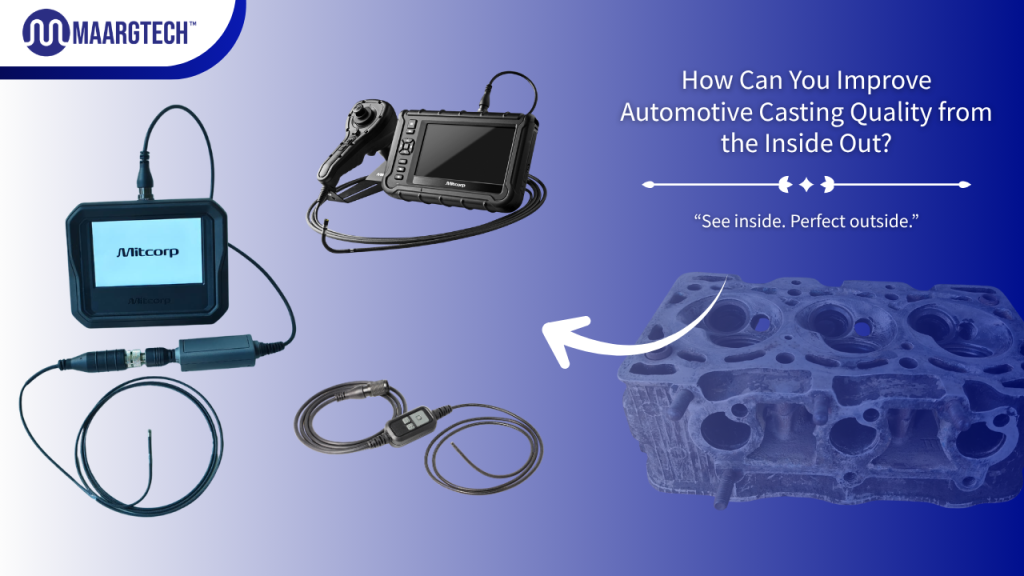
In the automotive industry, casting plays a critical role in manufacturing complex components such as engine blocks, cylinder heads, transmission housings, and turbocharger parts. Ensuring the internal integrity of these cast components is essential for performance, safety, and longevity. This is where Borescope Inspection in automotive casting becomes a game-changer.
Common Casting Defects That Demand Internal Inspection
Automotive castings are prone to several hard-to-spot issues due to the nature of molten metal solidification and core usage:
- Porosity and voids — Gas entrapment or shrinkage creates tiny pockets that weaken structural integrity and risk leaks.
- Inclusions — Sand particles, slag, or oxides embedded in the metal, often in water jackets or oil passages.
- Cracks and cold shuts — Incomplete fusion or stress-induced fractures in high-load areas.
- Core debris and residual sand — Leftover material blocking critical flow paths after core removal.
- Burrs, flash, and surface irregularities — Especially at intersections of drilled passages or machined features.
These defects hide deep inside complex geometries, making traditional methods inadequate. Modern videoscopes reveal them instantly, preventing bad parts from advancing and reducing scrap rates significantly.
How Borescope Inspection Works in Foundry and Production Lines
Today’s industrial videoborescopes are rugged, purpose-built tools engineered for harsh environments:
They feature slim probes (typically 2.8–6 mm diameter) that fit standard casting ports, 360° or 4-way articulation to navigate tight bends, powerful adjustable LED lighting for dark cavities, HD cameras for sharp imaging, and IP67-rated, oil-resistant construction.
The process is straightforward and efficient:
- Insert the probe through an inspection port (e.g., coolant inlet or oil drain).
- Maneuver the articulated tip to view key areas like water jackets, combustion chambers, or EGR passages.
- Capture high-resolution images or videos, annotate findings, and generate reports for quality records or audits.
This non-destructive method takes just minutes per part, delivering immediate ROI through reduced rework and higher first-pass yields.
Key Applications in Automotive Casting Inspection
Borescope technology excels across critical components:
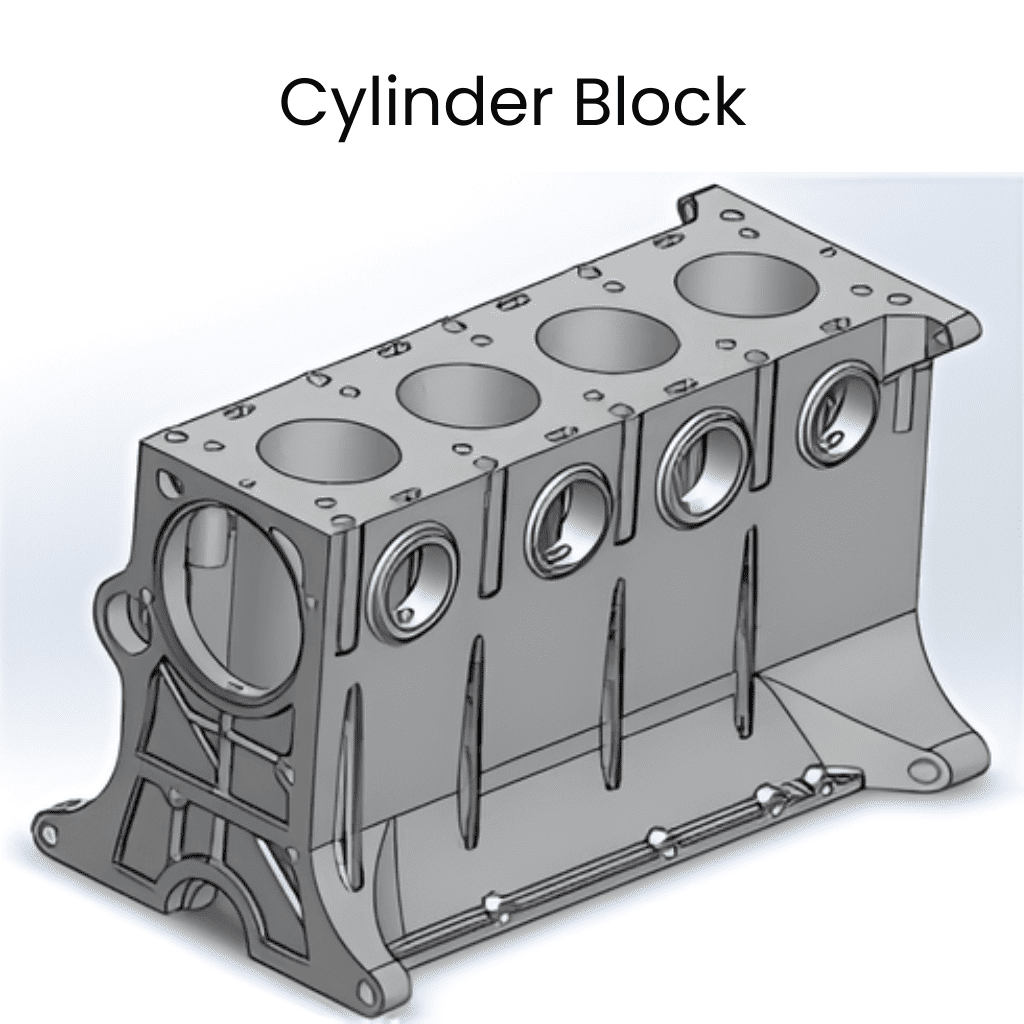
- Engine blocks: Checking water jackets, oil galleries, and deck faces for sand residue or porosity.
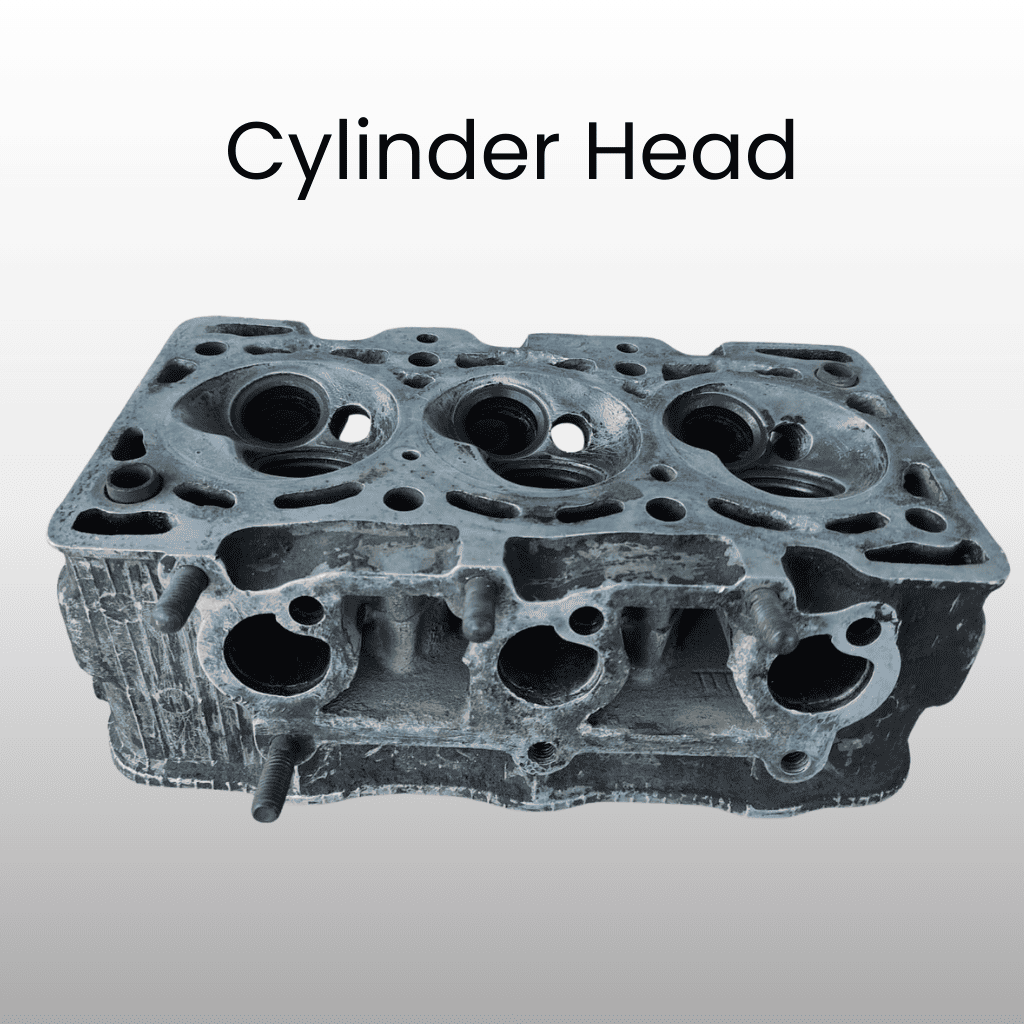
- Cylinder heads: Inspecting combustion chambers, valve seats, coolant passages, and exhaust ports for cracks or inclusions.
- Transmission cases: Verifying internal channels and mounting surfaces are clean and defect-free.
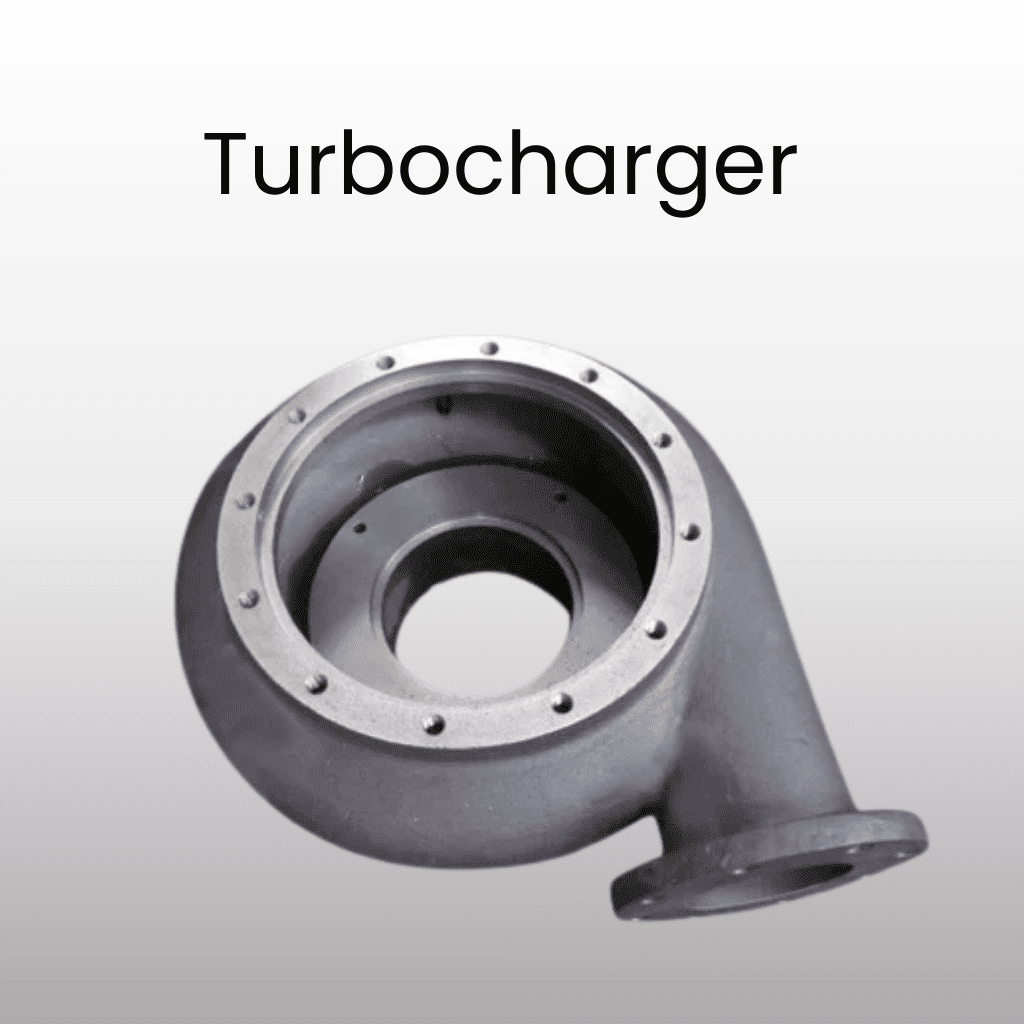
- Intake/exhaust manifolds and turbo housings: Detecting core debris or surface flaws in flow paths.
- Pump and valve bodies: Ensuring unobstructed internal passages.
Leading Indian OEMs and foundries, including those supplying Maruti Suzuki and Tata Motors, have adopted advanced videoscopes to maintain tight quality standards and boost productivity.
Selecting the Right Borescope for Demanding Casting Environments
Not every borescope suits foundry conditions — you need oil/diesel resistance, bright illumination, durable probes, and user-friendly design for high-volume shifts.
MAARGTECH delivers reliable, high-performance solutions trusted throughout India’s automotive casting sector:
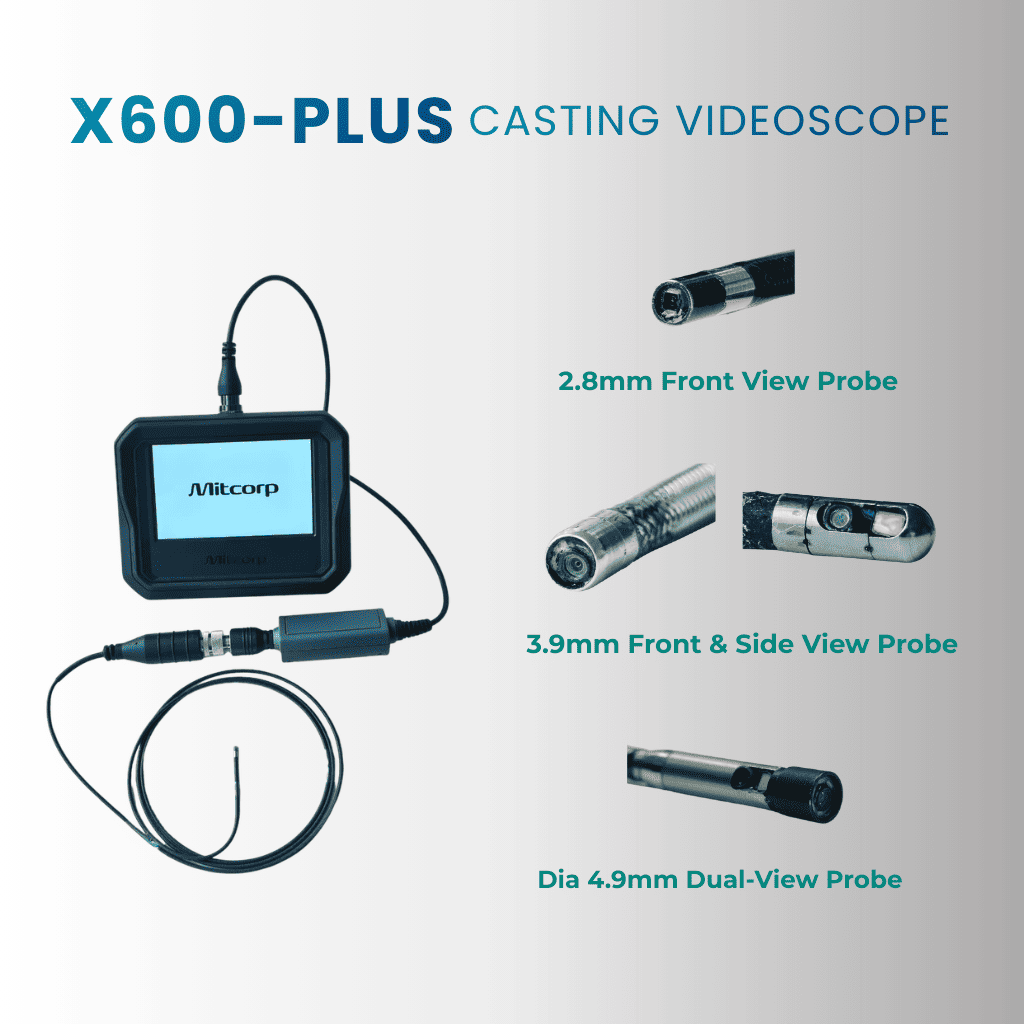
- X600-Plus Casting borescope — A compact, lightweight option with a 5″ touchscreen, 1 m drop resistance, and modular 3.9 mm / 4.9 mm articulating probes. It’s ideal for routine, fast-paced inspections on the shop floor, offering excellent value and portability.
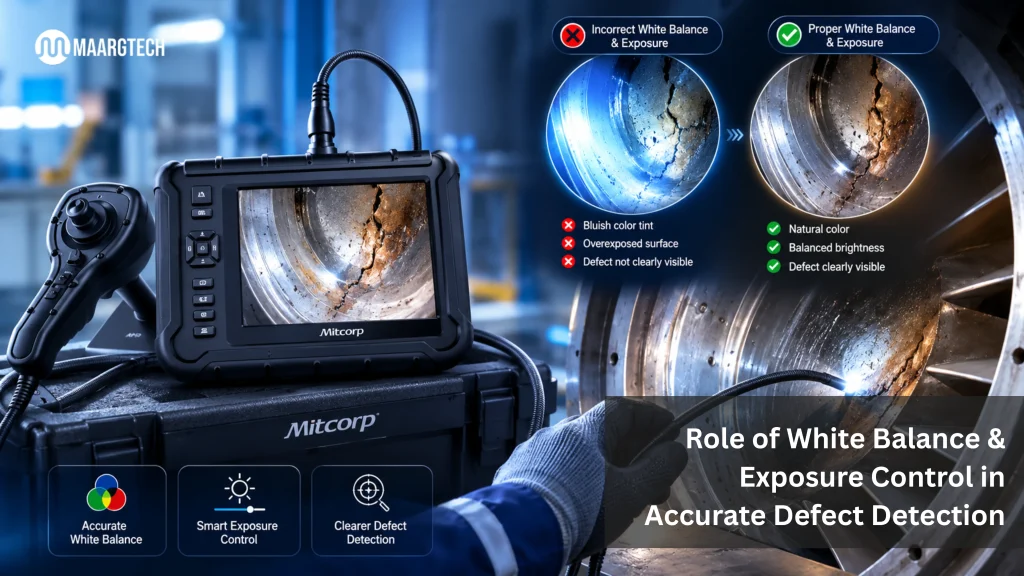
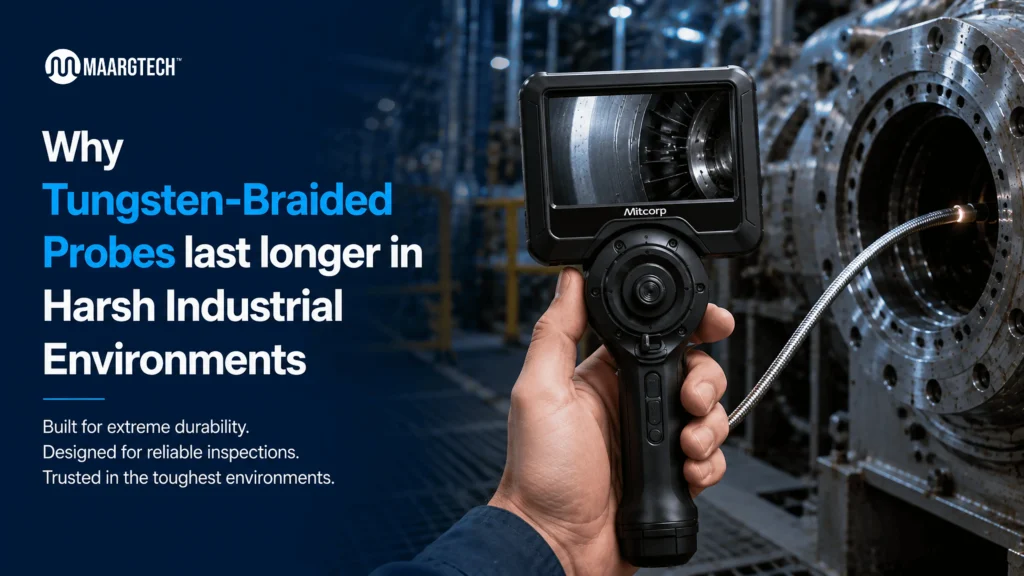
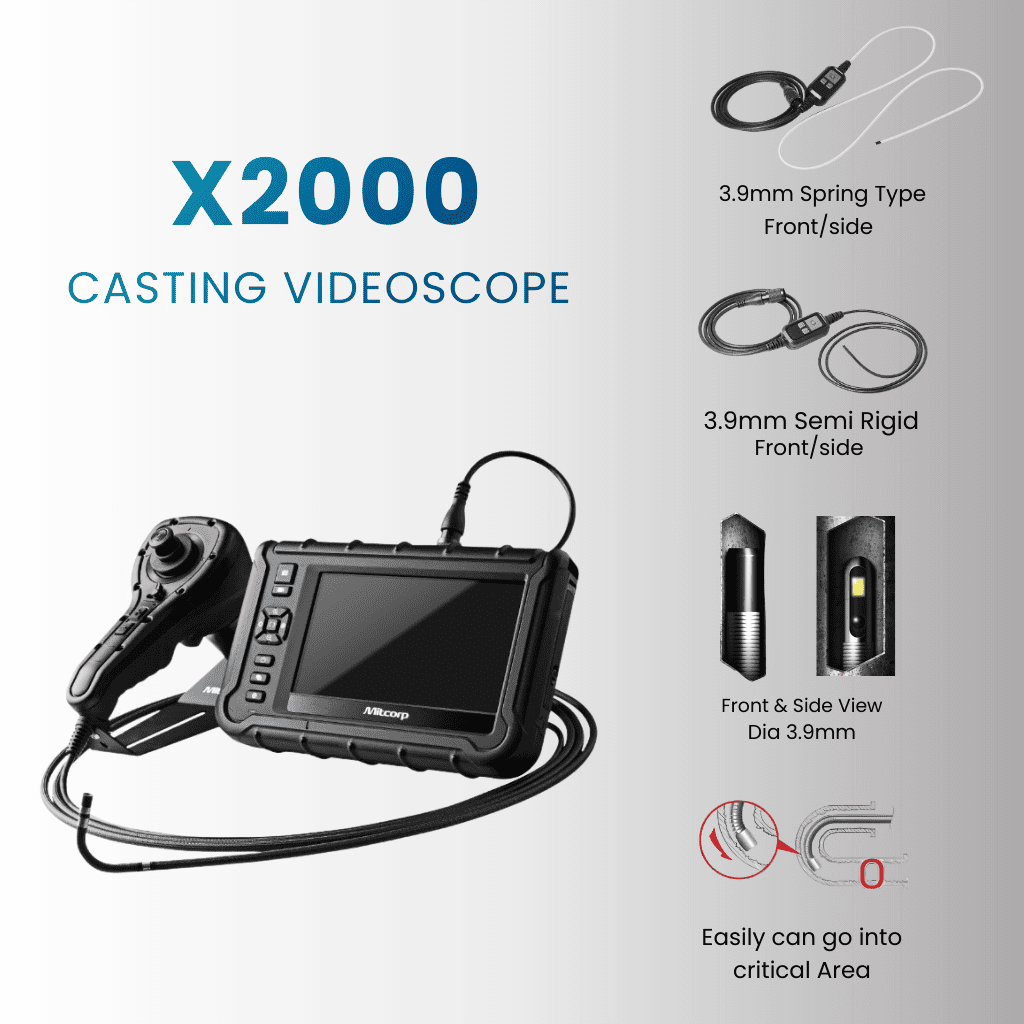
- X2000 Casting borescope — The flagship model featuring super-high resolution (2560×1440 stills / 1920×1080 video), a large 7″ display, full 360° articulation, tungsten-braided IP67 probes (up to 10m), manual exposure controls, and negative imaging for enhanced crack/porosity detection. Perfect for critical audits or detailed analysis.
Both integrate specialized casting probes resistant to engine oils, coolants, and brake fluids, with long battery life and simple data export for seamleass reporting.
Conclusion
In today’s competitive automotive landscape, internal casting inspection isn’t a luxury — it’s essential for reliability, cost control, and customer trust. Borescope technology shifts quality from reactive fixes to proactive prevention.
If you’re seeking proven borescopes tailored for automotive foundry demands, MAARGTECH’S X600-Plus and X2000 Casting Videoborescopes provide crystal-clear insights at competitive pricing.
Stay connected with us for the latest RVI updates, practical tips:
🔗 LinkedIn: https://in.linkedin.com/company/maargtech-rvi-ndt-pvt-ltd
📘 Facebook: https://www.facebook.com/profile.php?id=61580606240935
📸 Instagram: Follow for visual demos and event highlights
Upgrade your casting inspection Today!
Get sharper insights, faster defect detection, and unmatched reliability with MAARGTECH'S X600-Plus and X2000 Casting Videoscopes.
Frequently Asked Questions (FAQ'S )
What defects can a borescope detect inside automotive castings like engine blocks and cylinder heads?
A borescope reveals hidden issues such as porosity/voids, residual core sand, inclusions, cracks, cold shuts, burrs, and flash in internal passages like water jackets and oil galleries. This non-destructive inspection prevents leaks, blockages, or failures before machining or assembly.
What probe diameter and features are best for inspecting automotive castings?
Probes of 3.9–6 mm diameter with 360° articulation, oil-resistant IP67 rating, and bright LED lighting work best for tight casting ports and dark cavities. High-resolution HD cameras ensure clear views of subtle defects in complex geometries.
How does borescope inspection improve quality control in automotive foundries?
It enables fast, non-destructive checks for cleanliness and defects, reducing scrap rates by 20–40%, minimizing rework, and ensuring compliance with IATF 16949 standards. Real-time imaging and recording provide documented evidence for audits and customer submissions.
Can Maargtech videoscopes handle oily or harsh environments in casting inspection?
Yes, models like the X600-Plus and X2000 feature oil/diesel-resistant probes (IP67 rated) and durable construction, making them reliable for engine oil, coolant, and foundry conditions. They deliver consistent performance even in high-volume production lines.
What is the main advantage of using a videoscope over traditional inspection methods for castings?
Videoscopes provide high-resolution internal views without destructive cutting or disassembly, saving time and preserving good parts. This proactive approach catches issues early, lowers costs, and boosts first-pass yield in automotive casting processes.