

Introduction
In today’s fast-paced industrial environment, maintaining equipment reliability, safety, and efficiency is more critical than ever. Traditional inspection methods often require dismantling machinery, shutting down operations, and exposing personnel to safety risks. This is where Remote Visual Inspection (RVI) has emerged as a game‑changing solution.
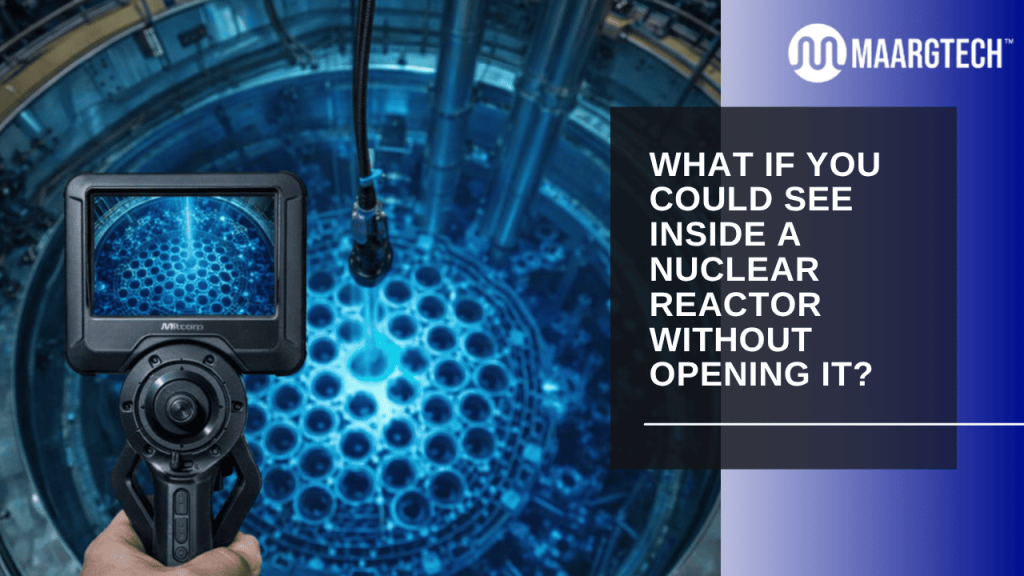
Remote Visual Inspection allows inspectors and engineers to visually examine hard‑to‑reach or internal areas of equipment without disassembly. Using advanced tools such as industrial videoscopes and borescopes, RVI helps industries detect defects early, reduce downtime, and improve overall inspection accuracy.
What is Remote Visual Inspection (RVI)?
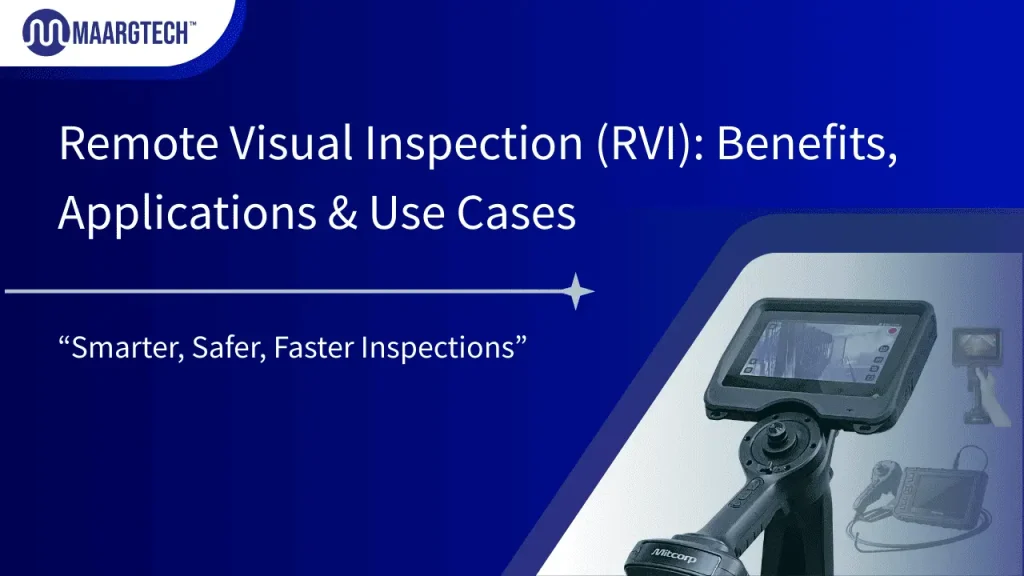
Remote Visual Inspection (RVI) is a non‑destructive inspection method that uses camera‑based devices to visually inspect internal components of machinery, pipelines, engines, turbines, and structures that are otherwise inaccessible.
RVI equipment typically includes:
High‑resolution camera probes
Flexible or articulated insertion tubes
LED illumination
Display units for live image and video viewing
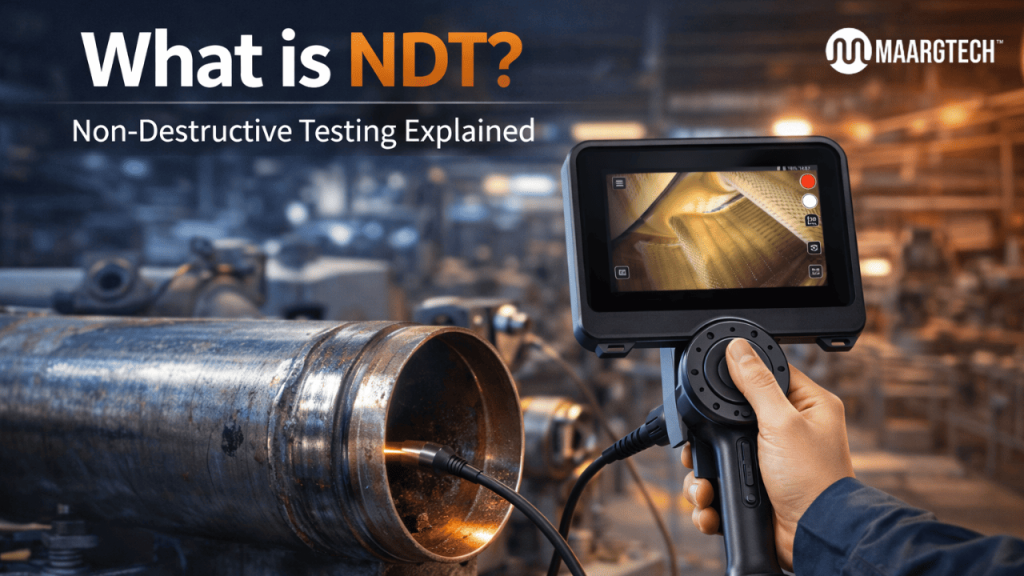
Because it does not damage or alter the component being inspected, RVI is widely used as part of Non‑Destructive Testing (NDT) and preventive maintenance programs.
Key Benefits of Remote Visual Inspection
Remote Visual Inspection offers significant operational and financial advantages for industries that rely on complex machinery and critical assets. By enabling internal inspections without dismantling equipment, RVI improves decision‑making while maintaining productivity and safety.
1. Reduced Downtime
RVI eliminates the need to dismantle equipment for inspection. Inspections can be performed quickly, allowing operations to resume faster and minimizing production losses.
2. Enhanced Safety
Inspectors can assess internal or hazardous areas without physically entering confined spaces or exposing themselves to dangerous conditions.
3. Cost Savings
By detecting defects early, RVI helps prevent major equipment failures, reducing repair costs and avoiding unplanned shutdowns.
4. Accurate & Reliable Results
High‑definition imaging enables inspectors to clearly identify cracks, corrosion, blockages, wear, and other defects with precision.
5. Preventive Maintenance Support
RVI supports condition‑based and preventive maintenance strategies by identifying issues before they escalate into critical failures.
Common Applications of Remote Visual Inspection
Due to its flexibility and non‑intrusive nature, Remote Visual Inspection is used across a wide range of industries. From heavy industrial plants to precision engineering environments, RVI provides reliable visual insights where conventional inspection methods are impractical.
Remote Visual Inspection is widely adopted across multiple industries due to its versatility and effectiveness.
Power Generation
Inspection of turbines, boilers, heat exchangers, and generators
Detection of erosion, corrosion, and foreign object damage
Oil & Gas
Pipeline inspection
Examination of valves, welds, and pressure vessels
Internal inspection of storage tanks
Aerospace & Aviation
Aircraft engine inspection
Detection of cracks, blade damage, and wear
Routine maintenance and safety checks
Automotive & Manufacturing
Inspection of engines, gearboxes, and casting defects
Quality control during production
Maintenance of automated machinery
Infrastructure & Utilities
Inspection of HVAC systems
Drainage and pipeline checks
Structural inspections in confined areas
Typical Defects Detected Using RVI
One of the major strengths of Remote Visual Inspection is its ability to identify early‑stage defects that are not visible from the outside. Detecting these issues at an early stage helps prevent unexpected breakdowns and extends equipment life.
Remote Visual Inspection helps identify a wide range of defects, including:
Cracks and fractures
Corrosion and rust
Blockages and debris
Surface wear and erosion
Weld defects
Foreign object intrusion
Early detection of these issues significantly improves equipment reliability and operational safety.
RVI Tools Used in Industrial Inspections
Selecting the right RVI equipment is essential for achieving accurate and reliable inspection results. Modern RVI tools are designed to meet demanding industrial conditions while delivering clear visuals and detailed inspection data.
The effectiveness of Remote Visual Inspection depends largely on the inspection equipment used. Common RVI tools include:
Industrial Videoscopes – Advanced inspection tools with high‑resolution imaging, articulation, and recording capabilities
Borescopes – Compact inspection devices ideal for small diameter access points
Rigid & Flexible Inspection Cameras – Suitable for specific applications and environments
Modern RVI systems also support image capture, video recording, and measurement features for detailed inspection reporting.
Why RVI is Essential for Modern Industry
With increasing pressure to improve productivity, ensure safety, and reduce maintenance costs, Remote Visual Inspection has become an essential inspection method. It enables industries to:
Make informed maintenance decisions
Improve asset lifespan
Ensure compliance with safety standards
Enhance inspection efficiency
Wrapping Up
Remote Visual Inspection (RVI) is transforming how industries approach inspection and maintenance. By offering safe, fast, and accurate inspection capabilities, RVI helps organizations reduce downtime, cut costs, and maintain high safety standards.
As industrial systems become more complex, the demand for reliable RVI solutions will continue to grow. Investing in the right RVI tools, such as high‑quality videoscopes and borescopes, is a smart step toward achieving operational excellence.
Looking for reliable Remote Visual Inspection solutions?
Explore MaargTech’s advanced industrial videoscopes and RVI tools designed to deliver accurate inspections, reduce downtime, and improve maintenance efficiency.
Email: sales@maargtech.com
Frequently Asked Questions (FAQ'S )
What is Remote Visual Inspection (RVI)?
Remote Visual Inspection (RVI) is a non-destructive inspection method that uses camera-based tools such as videoscopes and borescopes to inspect internal or hard-to-reach areas without dismantling equipment.
What industries use Remote Visual Inspection?
RVI is widely used in industries such as power generation, oil & gas, aerospace, automotive, manufacturing, utilities, and infrastructure for maintenance, quality control, and safety inspections.
What are the main benefits of Remote Visual Inspection?
The main benefits of RVI include reduced downtime, improved safety, early defect detection, lower maintenance costs, and accurate inspection results without damaging equipment.
What is the difference between RVI and traditional inspection methods?
Traditional inspections often require equipment disassembly or physical access, leading to downtime and safety risks. RVI allows internal inspection without dismantling machinery, making it faster, safer, and more cost-effective.
What tools are used for Remote Visual Inspection?
Common RVI tools include industrial videoscopes, borescopes, flexible inspection cameras, and rigid inspection cameras, depending on the inspection environment and access requirements.
What types of defects can be detected using RVI?
RVI can detect defects such as cracks, corrosion, blockages, wear, erosion, weld defects, and foreign object damage inside equipment and components.