


Introduction
Wind energy has become a cornerstone of global renewable power generation. As wind turbines grow in size and complexity, ensuring their reliability and efficiency is critical. One of the most vital components in a wind turbine is the gearbox—responsible for transferring energy from the rotor to the generator. However, gearbox failures remain one of the most common and costly issues in turbine operation.
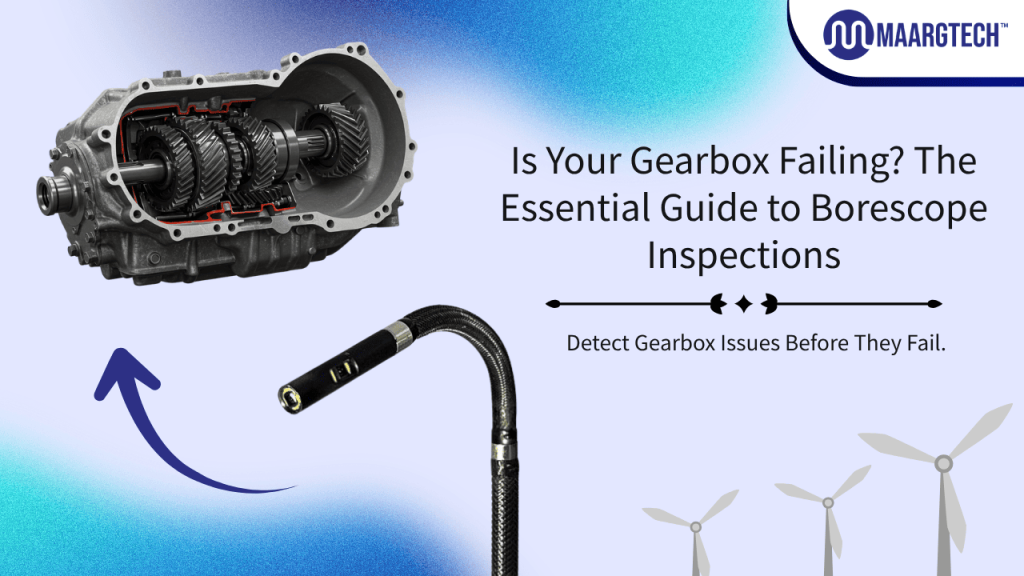
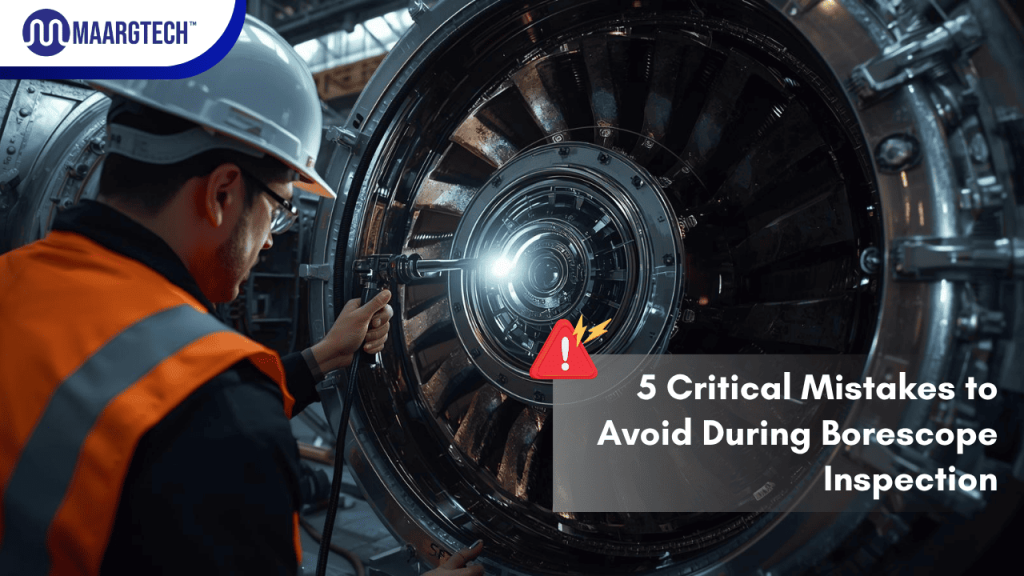
This is where Borescope Inspection (BSI) plays a crucial role. It enables engineers to visually assess internal components without dismantling the gearbox, saving both time and resources. By identifying early signs of wear, damage, or contamination, borescope inspections support proactive maintenance strategies and help prevent unexpected failures. The practice of Borescope inspection in wind turbine gearbox systems has therefore become essential in modern wind farm maintenance strategies.
What Is Borescope Inspection and Why Is It Essential for Wind Turbine Gearboxes?
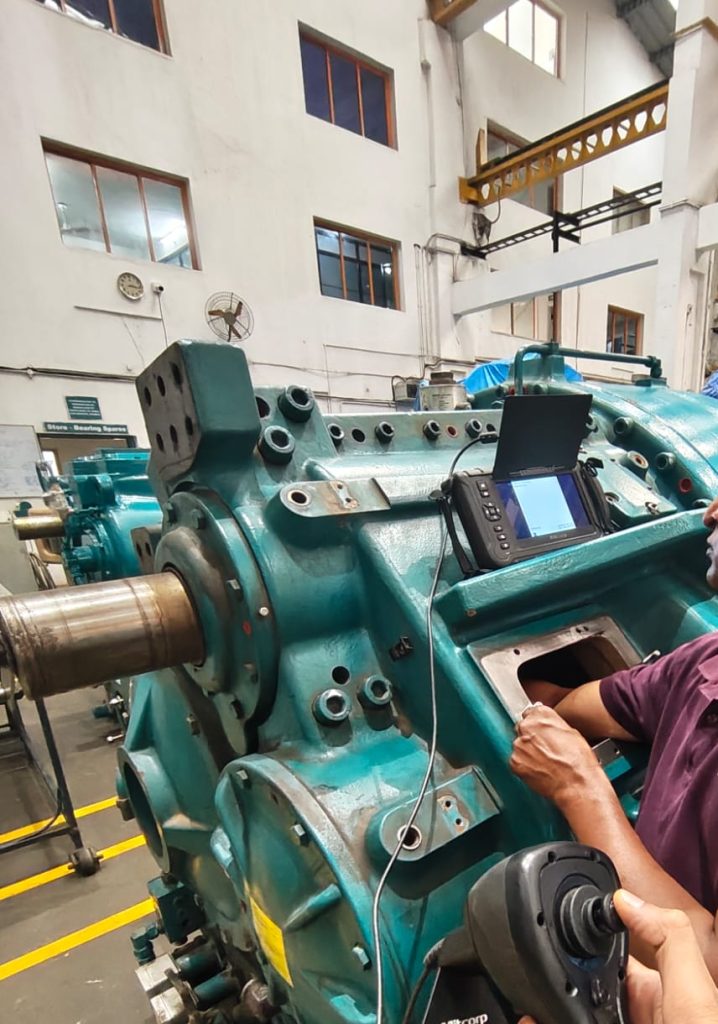
A borescope — or its advanced video counterpart, a videoscope — is a flexible or rigid probe with a high-resolution camera, LED lighting, and articulating tip at the end. It allows real-time viewing, image capture, and sometimes 3D measurement on a portable screen.
In wind turbines, gearboxes operate under extreme conditions: constant vibration, variable loads, and oil-filled environments. Common issues include:
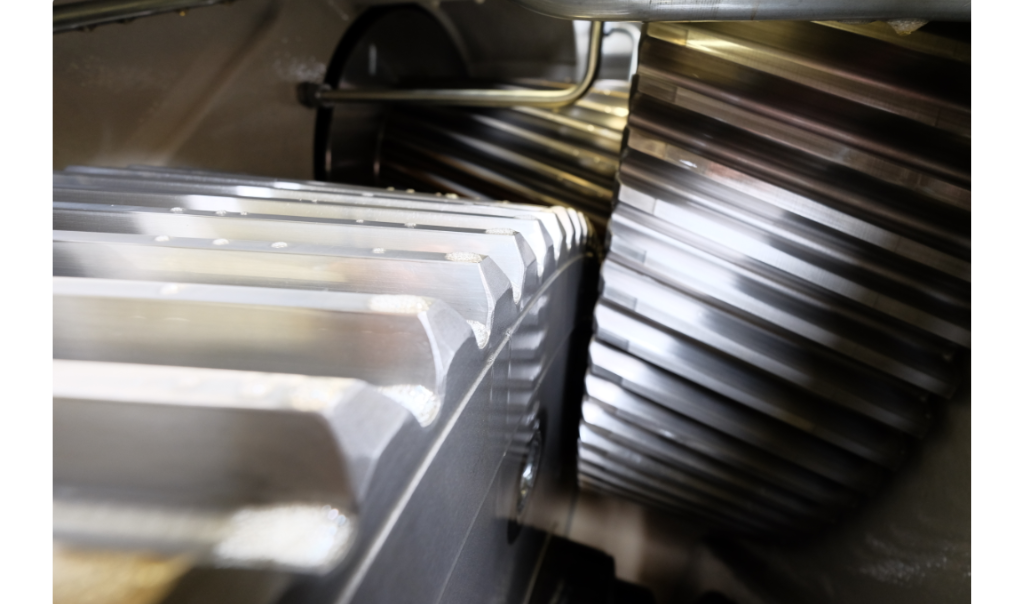
- Pitting and spalling on gear teeth and bearing raceways
- Cracks, scoring, or wear due to lubrication failure or debris
- Corrosion, flaking, or foreign object damage
Without early intervention, these escalate into catastrophic failures. Borescope inspections reveal these problems months or years in advance, often during low-wind seasons when turbines are idle anyway.
Key Components Inspected in a Wind Turbine Gearbox
Technicians focus on critical areas through strategic access points:
- Planetary stage (rotor side): Ring gear, planetary gears, sun gear, planetary carrier bearings, and nine cylindrical planetary bearings — accessed via small hatches at 2 o’clock and 10 o’clock positions.
- Parallel stages: High-speed shaft (HSS), intermediate-speed shaft (IMS), and low-speed shaft (LSS) bearings and gears — via the large top hatch.
- Bearings: Rotor-side and generator-side carrier bearings, tapered/cylindrical roller bearings.
Pro tip: Rotate the rotor slowly to inspect all planetary positions. Use articulating probes to navigate tight spaces and oil-clearing adapters to push away lubricating oil for crystal-clear views.
Step-by-Step Borescope Inspection Process
- Safety & Preparation: Lock out/tag out the turbine, clean access ports.
- Insertion: Choose the right diameter probe (typically 4–6 mm) and insert through hatches or guide tubes.
- Systematic Scan: Use near-focus tips for gear teeth and wide-angle for broader views. Capture high-definition images/videos.
- Documentation: Measure defects if your scope supports it; note locations and severity.
- Cleanup & Report: Withdraw the tool, analyze findings alongside vibration/oil analysis data, and plan maintenance.
Modern videoscopes (like those with oil-resistant coatings and LED guide tubes) make this fast, safe, and highly effective even in oily, confined nacelles.
Major Benefits of Borescope Inspection in the Wind turbine gearbox
- Dramatic cost savings: Prevents full gearbox replacements and reduces downtime from weeks to just days.
- Increased uptime: A 2 MW+ turbine can lose $1,000+ per day in lost generation — early fixes avoid this.
- Proactive planning: Order parts in advance and schedule repairs during optimal weather.
- Safety & efficiency: No need for dangerous disassembly in high nacelles.
- Extended asset life: Track wear trends over time for condition-based maintenance.
Why Choose Professional-Grade Borescopes?
Not all borescopes are created equal. For wind turbine work, you need:
- HD imaging with oil-clearing tips
- Articulating probes and durable guide tubes
- Portable, lightweight designs for field use
- Oil-resistant insertion tubes for easy cleaning
Conclusion
Borescope inspection isn’t just a tool — it’s a strategic advantage that protects your investment, maximizes energy output, and ensures the long-term success of wind power projects. By catching issues early inside the gearbox, you turn potential disasters into planned, affordable maintenance.
If you’re operating wind turbines and want to implement best-in-class borescope solutions, contact the experts at MAARGTECH today. Our team will recommend the perfect videoscope for your fleet and even arrange a demo.
Keep Your Wind Turbines Running at Peak Performance
Prevent gearbox failures with MAARGTECH borescope inspection solutions.
Detect issues early and reduce costly downtime.
Frequently Asked Questions (FAQ'S )
What is a wind turbine gearbox inspection?
A wind turbine gearbox inspection is a maintenance process used to assess the condition of internal components like gears and bearings to ensure proper functioning and prevent failures.
How often should gearbox inspections be performed?
Routine monitoring such as oil and vibration analysis can be done regularly, while borescope inspections are typically performed annually or during scheduled maintenance.
Why is borescope inspection important?
Borescope inspection allows technicians to visually inspect internal components without dismantling the gearbox, enabling early fault detection and reducing maintenance costs.
What are common signs of gearbox failure?
Common signs include unusual noise, increased vibration, overheating, oil contamination, and reduced turbine efficiency.
Can gearbox failures be prevented?
While not all failures can be avoided, regular inspections and predictive maintenance techniques can significantly reduce the risk and severity of failures.