
Introduction
Unplanned downtime and high maintenance costs are major challenges for industrial operations. Equipment failures not only disrupt production schedules but also lead to costly repairs, safety risks, and lost revenue. To address these issues, industries are increasingly adopting industrial videoscopes as part of their inspection and maintenance strategies.
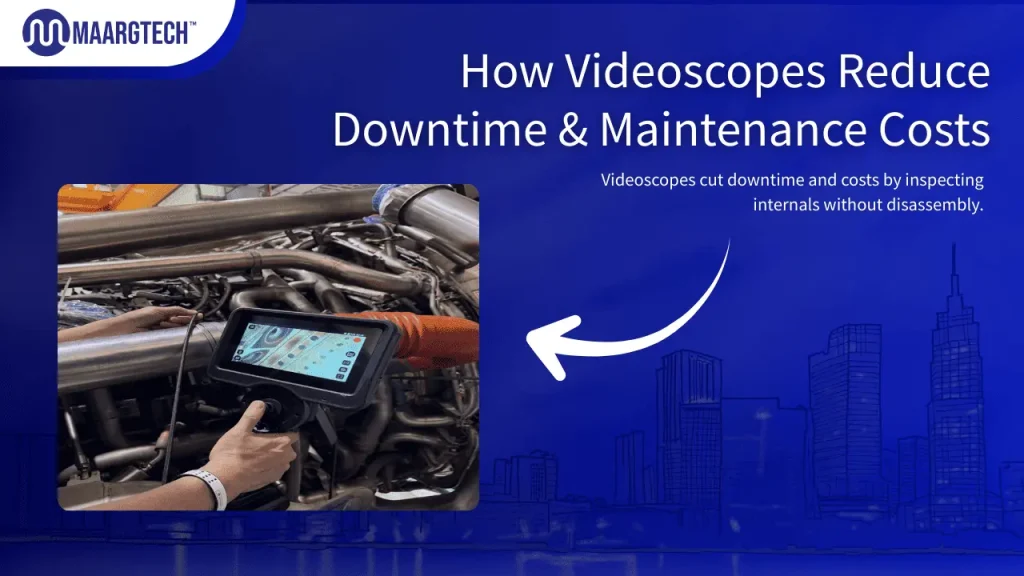
Videoscopes enable fast and accurate internal inspections without dismantling machinery. By providing real-time visual access to critical components, videoscopes help maintenance teams identify problems early, plan repairs efficiently, and significantly videoscopes reduce downtime & maintenance costs.
What Is an Industrial Videoscope?
An industrial videoscope is an advanced visual inspection device designed to provide real-time visual access to internal or inaccessible areas of equipment and structures. Unlike traditional inspection methods that require dismantling or shutdown, videoscopes allow inspectors to examine components internally through small access points.
Modern videoscopes combine high‑resolution digital cameras, powerful LED illumination, flexible or articulated probes, and large display units to deliver clear and detailed visuals even in dark, complex environments. Many industrial videoscopes also support image capture, video recording, measurement functions, and data storage, making them a critical part of digital maintenance workflows.
Industries rely on videoscopes as part of Remote Visual Inspection (RVI) and Non‑Destructive Testing (NDT) programs because they enable accurate inspection without damaging components or interrupting production.
How Videoscopes Reduce Downtime & Maintenanca Costs
Downtime directly impacts productivity, delivery schedules, profitability, and customer commitments. Even a few hours of unplanned downtime can result in significant financial losses, especially in continuous-process industries. Videoscopes play a critical role in minimizing downtime by enabling fast, targeted, and non‑intrusive inspections.
1. Inspection Without Equipment Disassembly
Traditional inspection methods often require partial or complete dismantling of machinery. This process can take hours or even days, depending on the complexity of the equipment. Videoscopes eliminate this requirement by allowing inspectors to access internal components through inspection ports or small openings.
As a result, inspections can be completed in a fraction of the time, and equipment can return to service much faster.
2. Faster Fault Identification
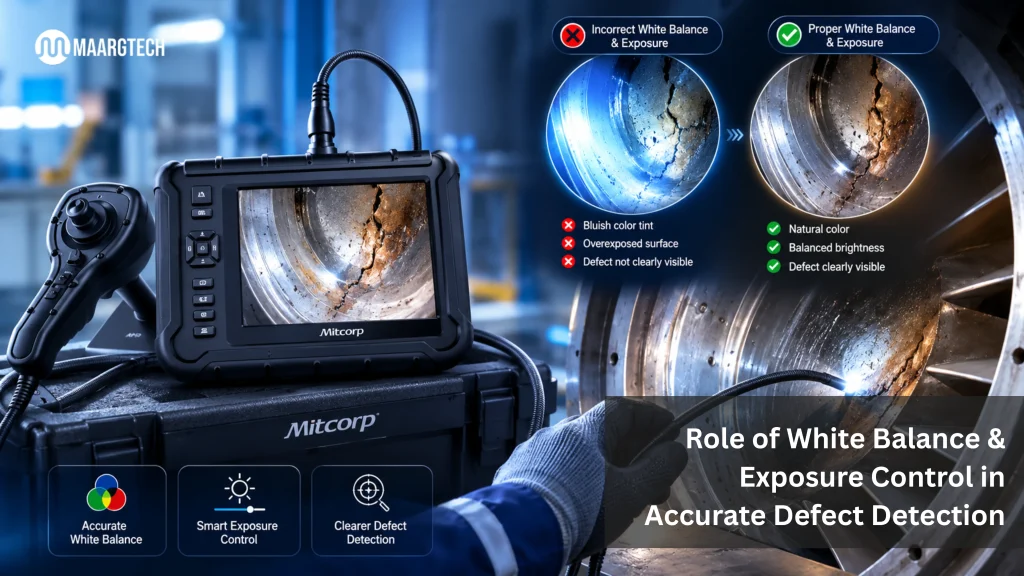
Videoscopes provide high‑definition, real‑time visuals that allow inspectors to pinpoint defects immediately. Cracks, corrosion, misalignment, blockages, or foreign object damage can be identified without guesswork.
This speed of diagnosis reduces the time spent troubleshooting and enables maintenance teams to take immediate corrective action.
3. Reduced Repeat Inspections
Clear visual documentation captured during videoscope inspections minimizes uncertainty. Maintenance teams can review images and videos remotely, consult experts, and make decisions without repeated physical inspections.
This reduces inspection frequency and shortens maintenance windows.
How Videoscopes Lower Maintenance Costs
Maintenance costs increase significantly when equipment failures occur unexpectedly or when inspections are inefficient. Videoscopes help control maintenance expenses by supporting proactive, data‑driven maintenance strategies.
Maintenance costs increase significantly when issues are detected late or handled reactively. Videoscopes support cost-effective maintenance by enabling early diagnosis, reducing unnecessary part replacement, and optimizing maintenance planning.
4. Early Detection Prevents Major Failures
Videoscopes help detect minor defects before they escalate into major equipment failures. Addressing issues at an early stage reduces repair costs and avoids expensive component replacements or complete system overhauls.
5. Improved Preventive Maintenance Planning
By integrating videoscope inspections into preventive maintenance programs, organizations can move from reactive to proactive maintenance. Visual inspection data allows maintenance schedules to be optimized based on actual equipment condition rather than fixed intervals.
This leads to more efficient use of maintenance resources and lower long-term costs.
6. Reduced Labor and Resource Costs
Videoscope inspections require fewer personnel and less time compared to traditional methods. Technicians can perform inspections quickly without heavy tools, scaffolding, or confined space entry, reducing labor costs and safety-related expenses.
Industry Examples of Videoscope Cost Savings
Across industries, videoscopes have proven to be a valuable investment by preventing costly failures and improving inspection efficiency. Below are some real-world application areas where videoscopes deliver measurable cost benefits.
Power Generation
Videoscopes are used to inspect turbines, boilers, and heat exchangers, allowing early detection of erosion or foreign object damage and preventing costly shutdowns.
Oil & Gas
In pipelines and pressure vessels, videoscopes help identify corrosion and blockages early, avoiding leaks, production loss, and environmental risks.
Manufacturing
Videoscope inspections support quality control and maintenance of engines, gearboxes, and automated machinery, reducing unexpected breakdowns.
Key Features to Look for in a Cost-Effective Videoscope
To maximize downtime reduction and cost savings, choose a videoscope with:
High-resolution imaging for clear defect detection
Articulating probe for complex inspection paths
Adequate probe length and diameter for your application
Image and video recording for documentation
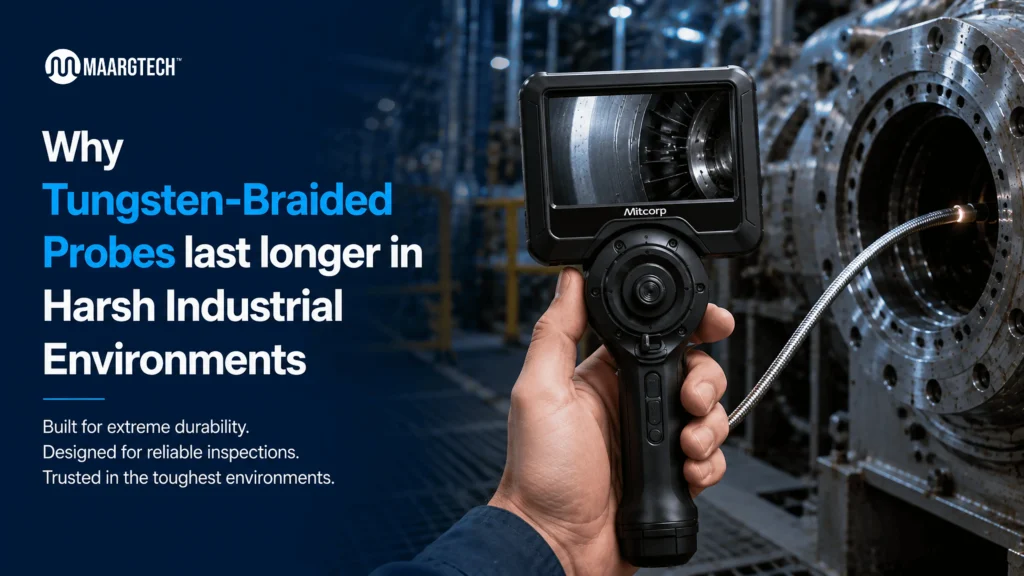
Durable design for industrial environments
Additional Advantages of Using Videoscopes
Improved Inspection Documentation
Videoscopes allow inspectors to capture high-quality images and videos during inspections. This documentation helps maintenance teams compare inspection results over time, support audit requirements, and make data-driven maintenance decisions.
Better Decision-Making for Repairs
Clear visual evidence from videoscope inspections enables engineers and managers to accurately assess the severity of defects. This prevents unnecessary repairs and ensures that maintenance actions are prioritized based on actual equipment condition.
Support for Compliance and Safety Standards
Many industries are required to follow strict inspection and safety regulations. Videoscope inspection records help demonstrate compliance with industry standards and support internal and external audits.
Long-Term Business Impact of Videoscope Inspections
Increased Asset Life
Regular videoscope inspections help detect wear and damage at an early stage, allowing corrective actions before irreversible damage occurs. This extends the operational life of critical assets and delays costly replacements.
Improved Maintenance Planning and Budgeting
With visual inspection data available, maintenance managers can forecast repairs more accurately and allocate budgets effectively. This reduces emergency spending and improves overall financial planning.
Better Collaboration and Knowledge Sharing
Recorded inspection data can be shared across teams, locations, and departments. This improves collaboration between maintenance, engineering, and management teams while preserving inspection history for future reference.
Conclusion
Industrial videoscopes play a critical role in reducing downtime and maintenance costs across industries. By enabling fast, non-intrusive inspections and early defect detection, videoscopes help organizations maintain equipment reliability, improve safety, and optimize maintenance budgets.
As industries continue to focus on efficiency and cost control, videoscopes have become an essential tool for modern maintenance and inspection strategies.
Smarter Inspections Start with MaargTech!
Improve equipment reliability and reduce downtime with precision inspection solutions from MaargTech. Get in touch today.
Email: sales@maargtech.com
Frequently Asked Questions (FAQ'S )
How do videoscopes reduce downtime?
Videoscopes allow internal inspections without dismantling equipment. This reduces inspection time, speeds up fault detection, and enables faster maintenance decisions, minimizing operational downtime.
How do videoscopes help lower maintenance costs?
By detecting defects early, videoscopes prevent major equipment failures, reduce repair costs, and support preventive maintenance instead of expensive reactive repairs.
What industries benefit most from industrial videoscopes?
Industries such as power generation, oil & gas, aerospace, automotive, manufacturing, and utilities benefit greatly from videoscope inspections.
What types of defects can be detected using videoscopes?
Videoscopes can detect cracks, corrosion, blockages, erosion, weld defects, wear, and foreign object damage inside equipment.
Can videoscopes support preventive maintenance programs?
Yes, videoscope inspections provide real-time visual data that helps maintenance teams plan repairs proactively and extend equipment life.